Full Fence Replacement with New Gates on Both Sides of Detached Garage
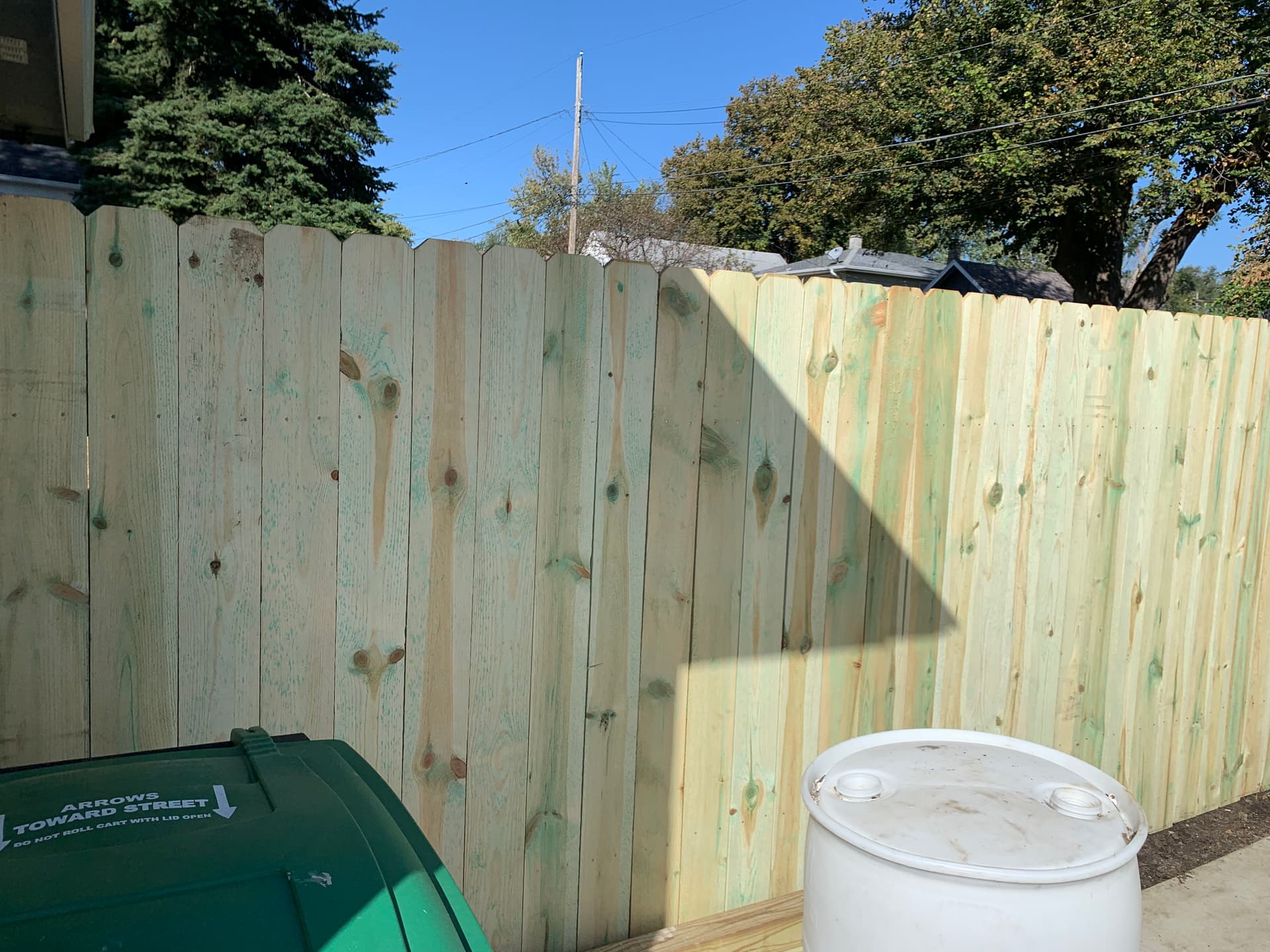
Old fences don't just look bad - they stop working. Boards warp, posts rot at the base, and gates start dragging or won't latch at all. When that happens, patching things together only buys you so much time before you're dealing with the same problems again. A full replacement is usually the smarter move.
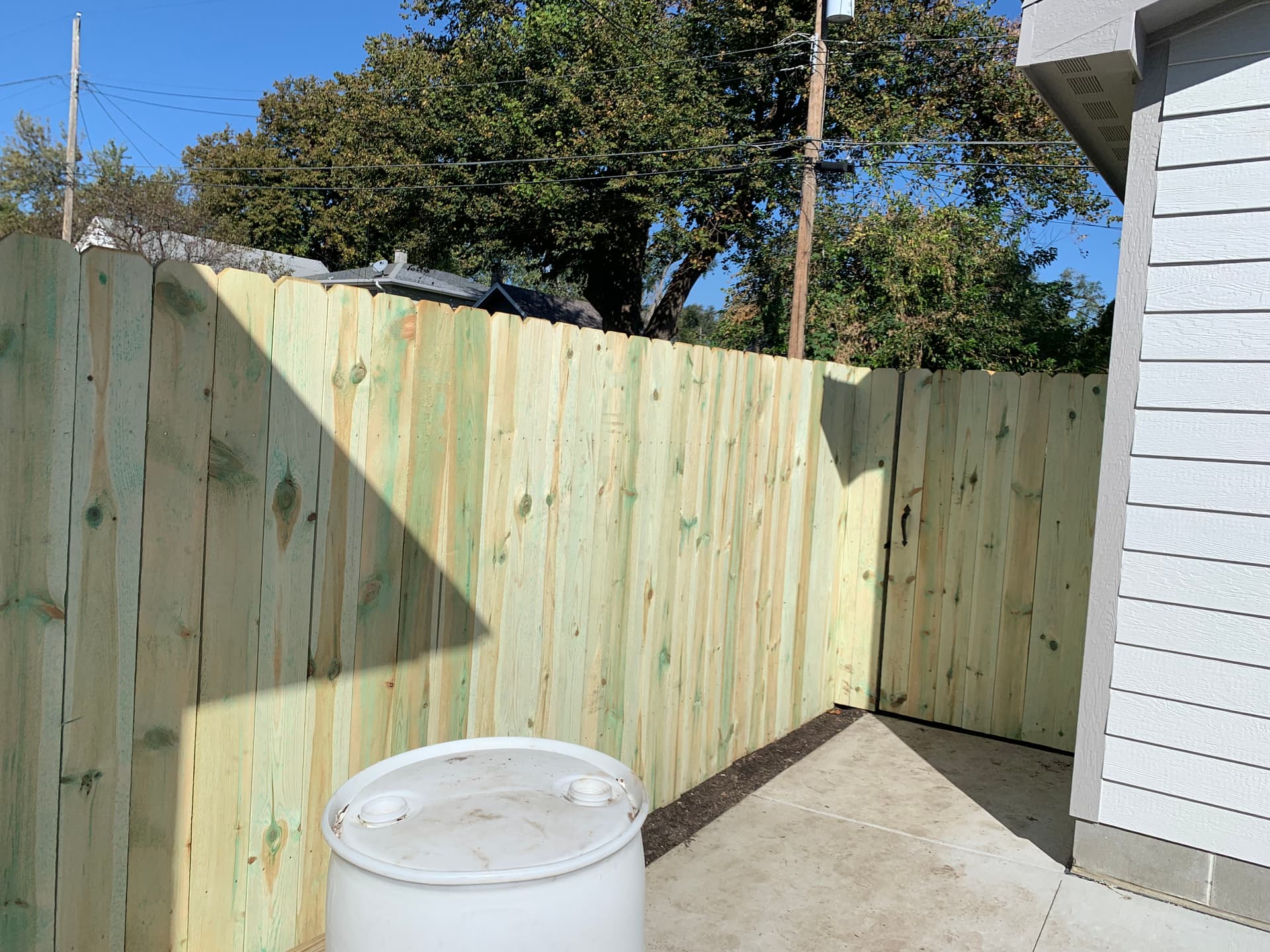
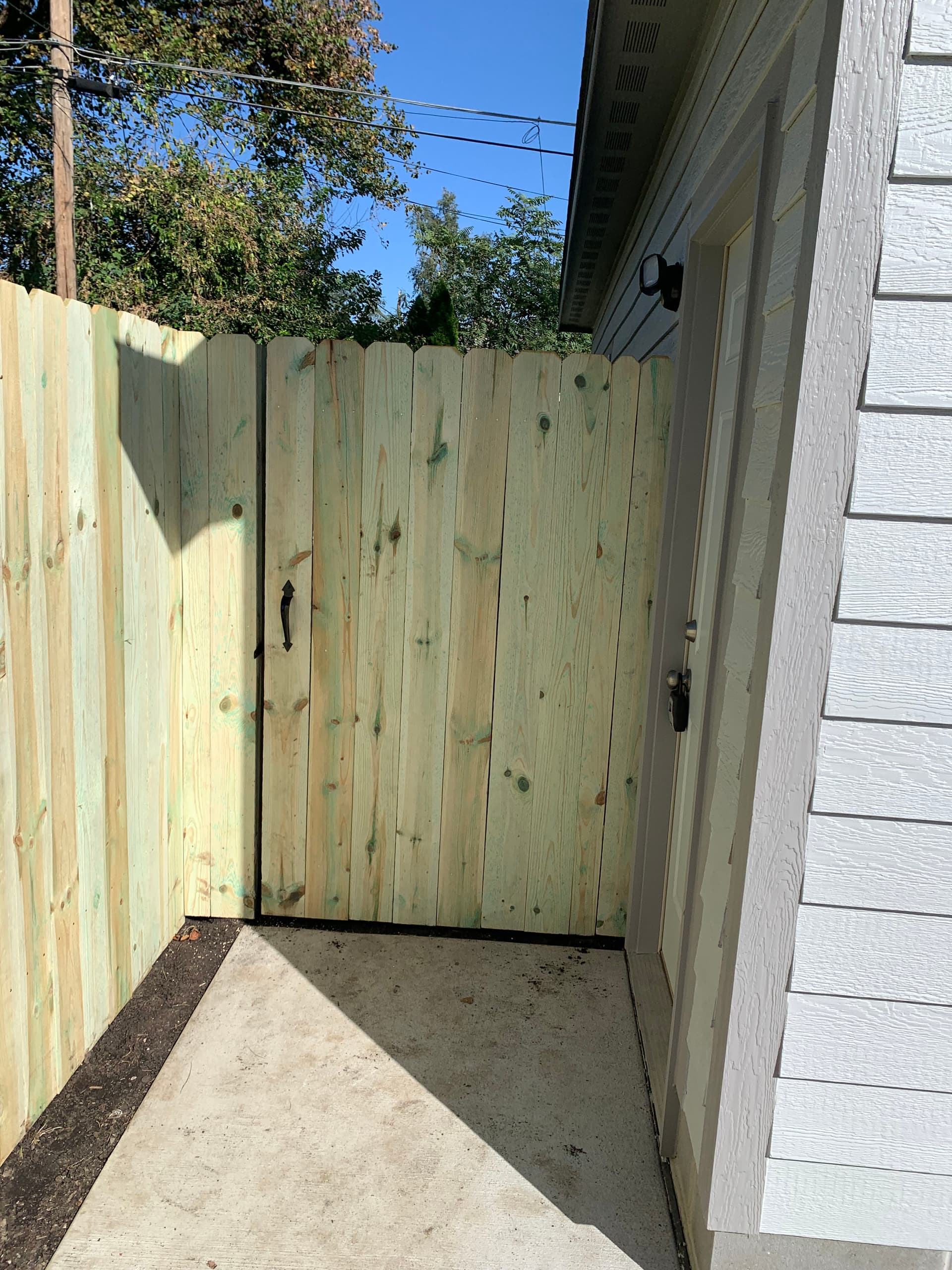
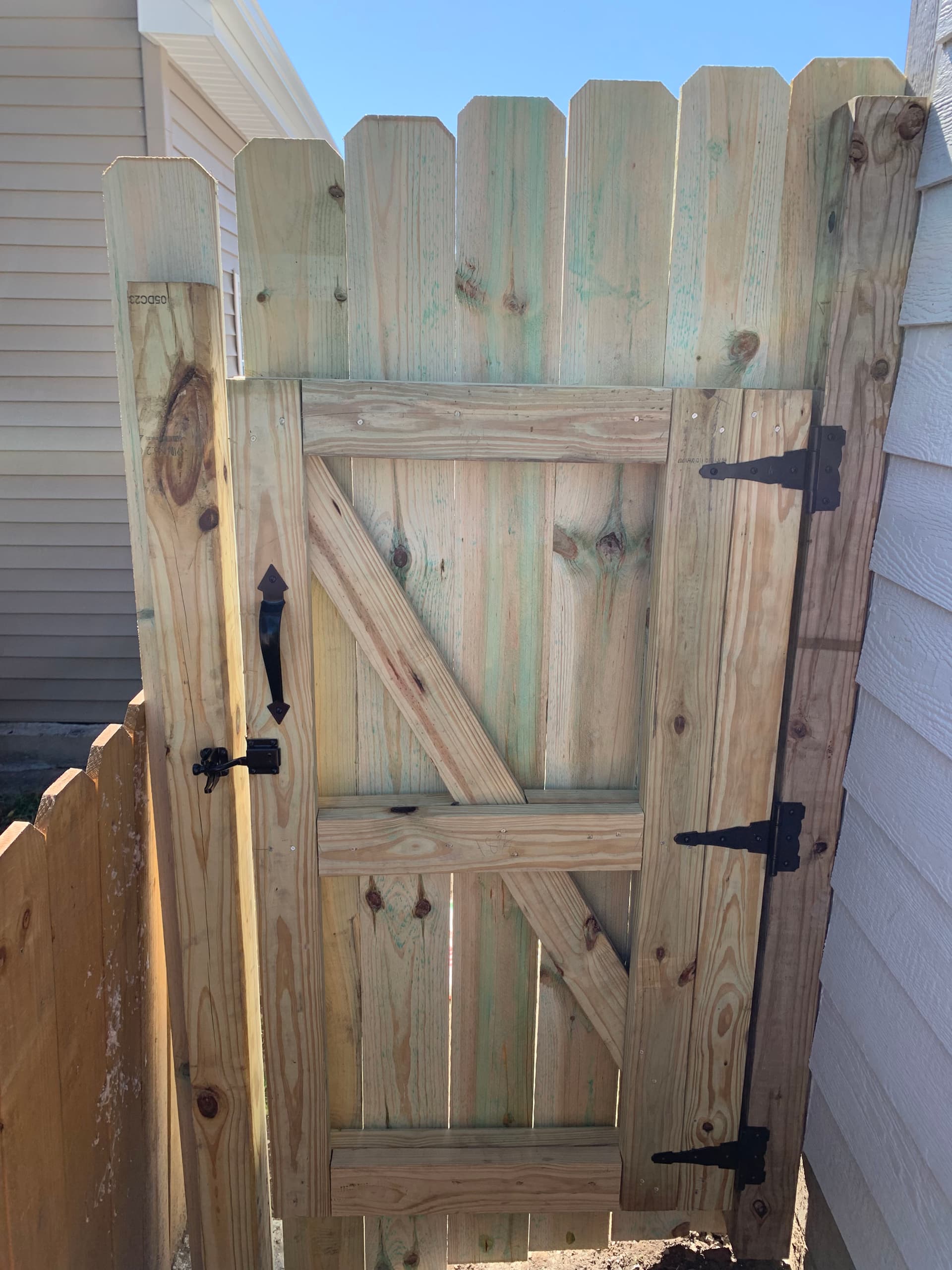
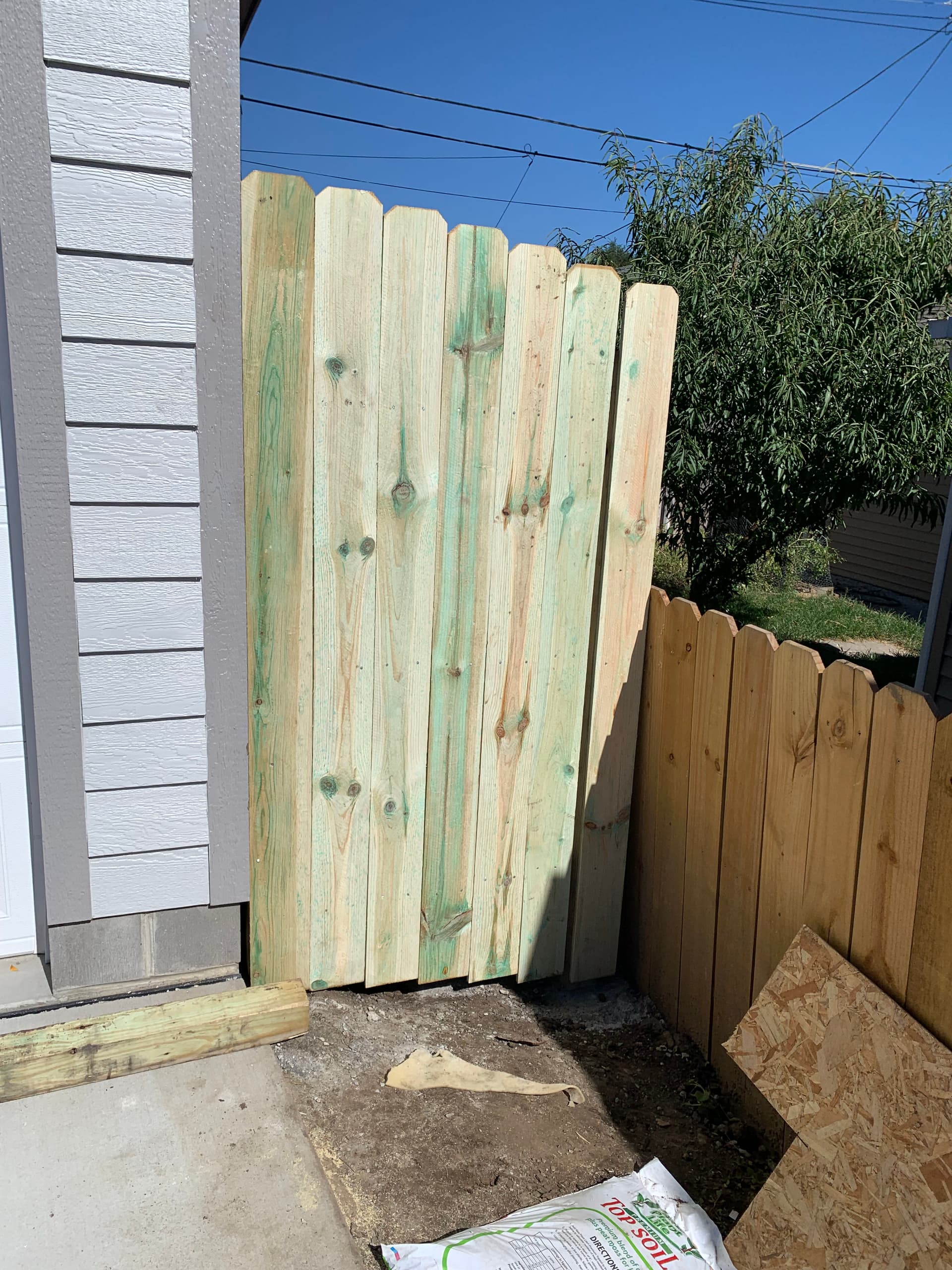
Here's what we were working with: a backyard that needed more privacy and a functional setup around a detached garage. The homeowner needed access on both sides, so we installed gates on each side of the garage - not just one. That detail matters a lot when you're hauling equipment, taking out trash, or just moving between the front and back of the property without going through the house.
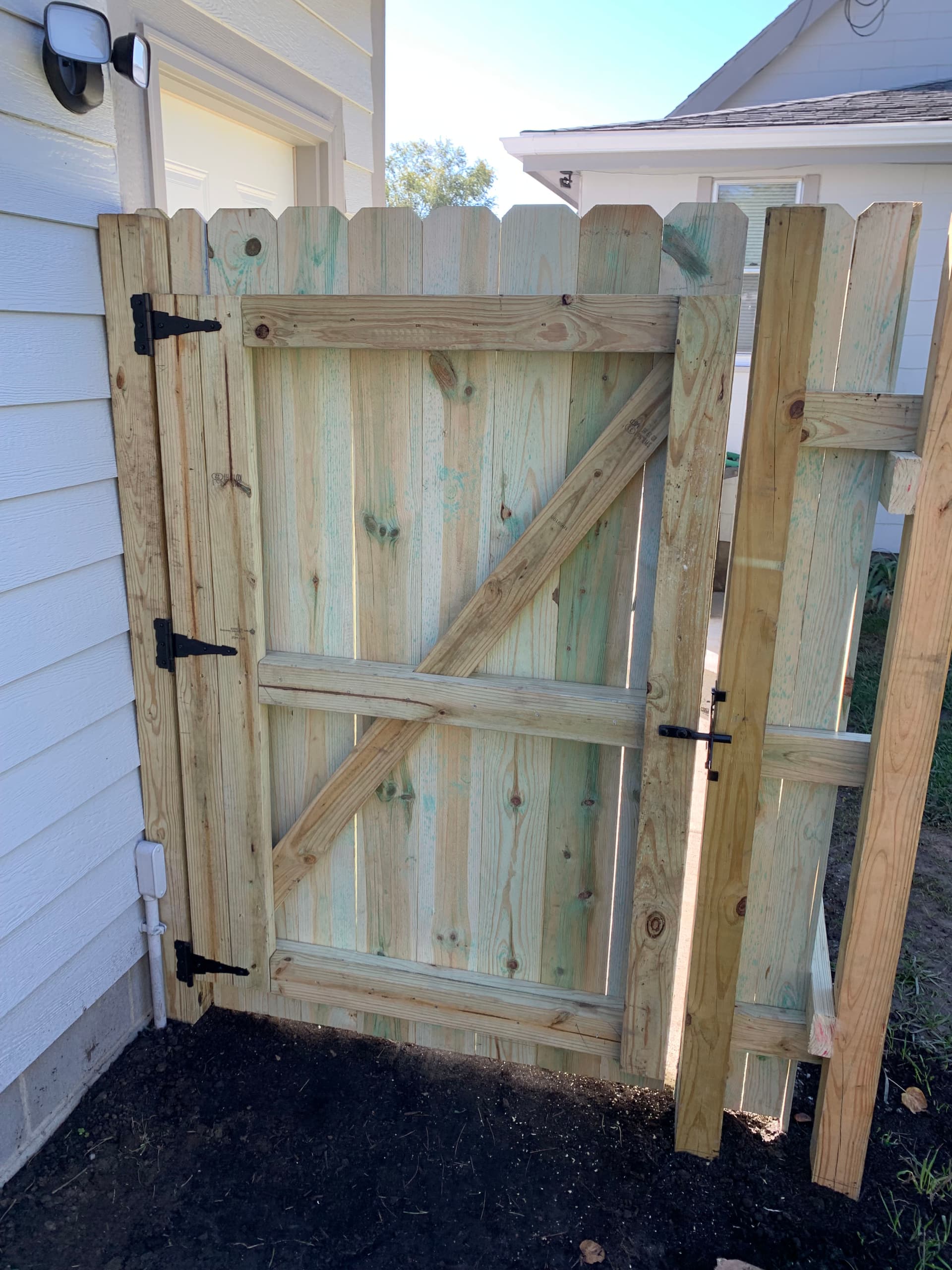
We used pressure treated lumber throughout, which is the right call for any fence that's going to be in contact with the ground or exposed to weather year after year. The Z-brace framing on the gate panels is built to handle the weight and keep everything square over time - gates that sag or bind are almost always the result of cutting corners on the internal structure. We didn't do that here.
The finished fence runs clean all the way around the backyard, with a consistent dog-ear board profile and solid post placement. Both gates swing freely and latch properly. That's the baseline - but it's also something a lot of fence jobs miss. Getting the posts set right and the hardware installed correctly makes all the difference between a gate that works great for years and one that's a headache by next summer.