Full Fire Damage Repair Framing Siding and Soffit Rebuild
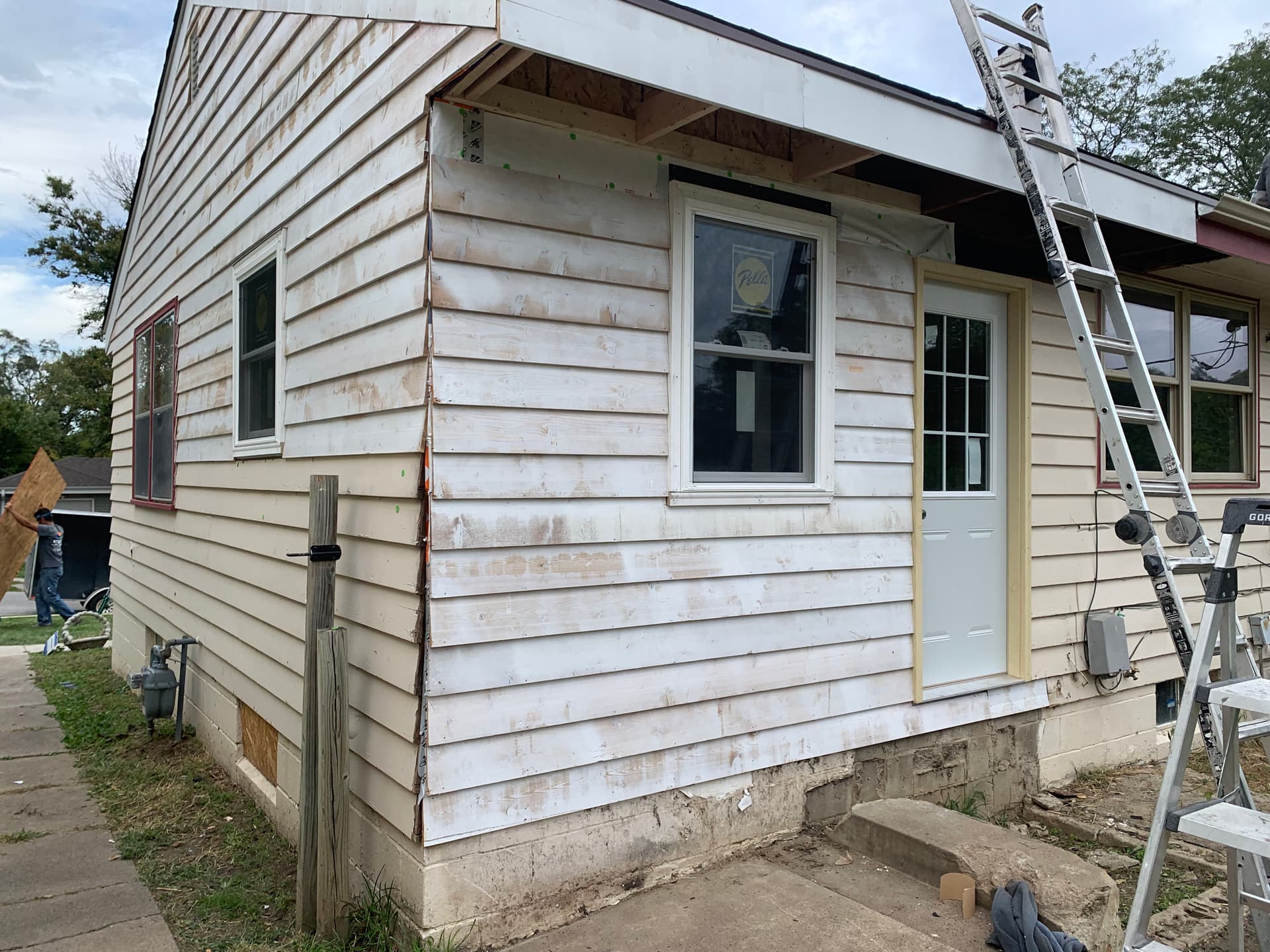
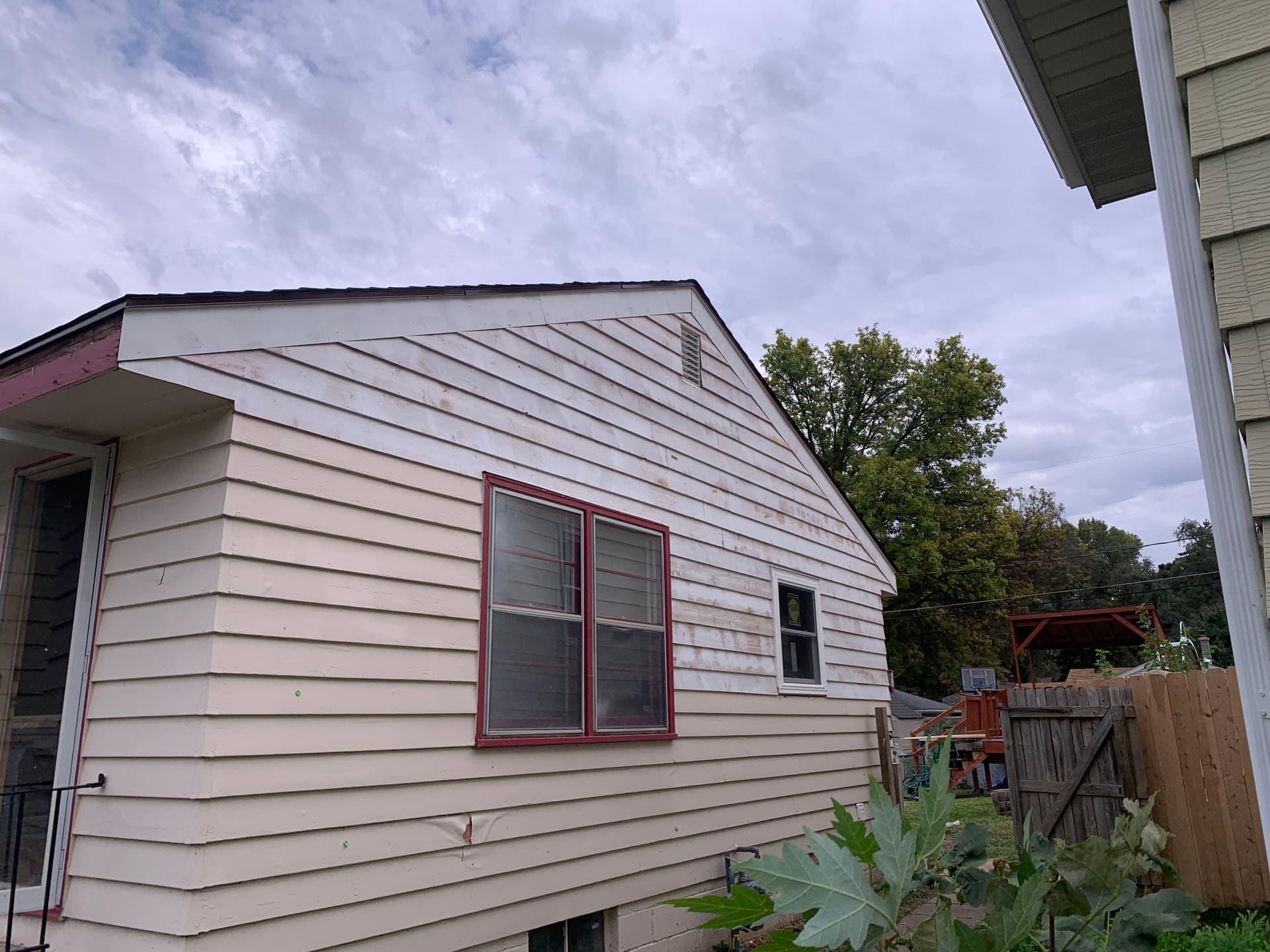
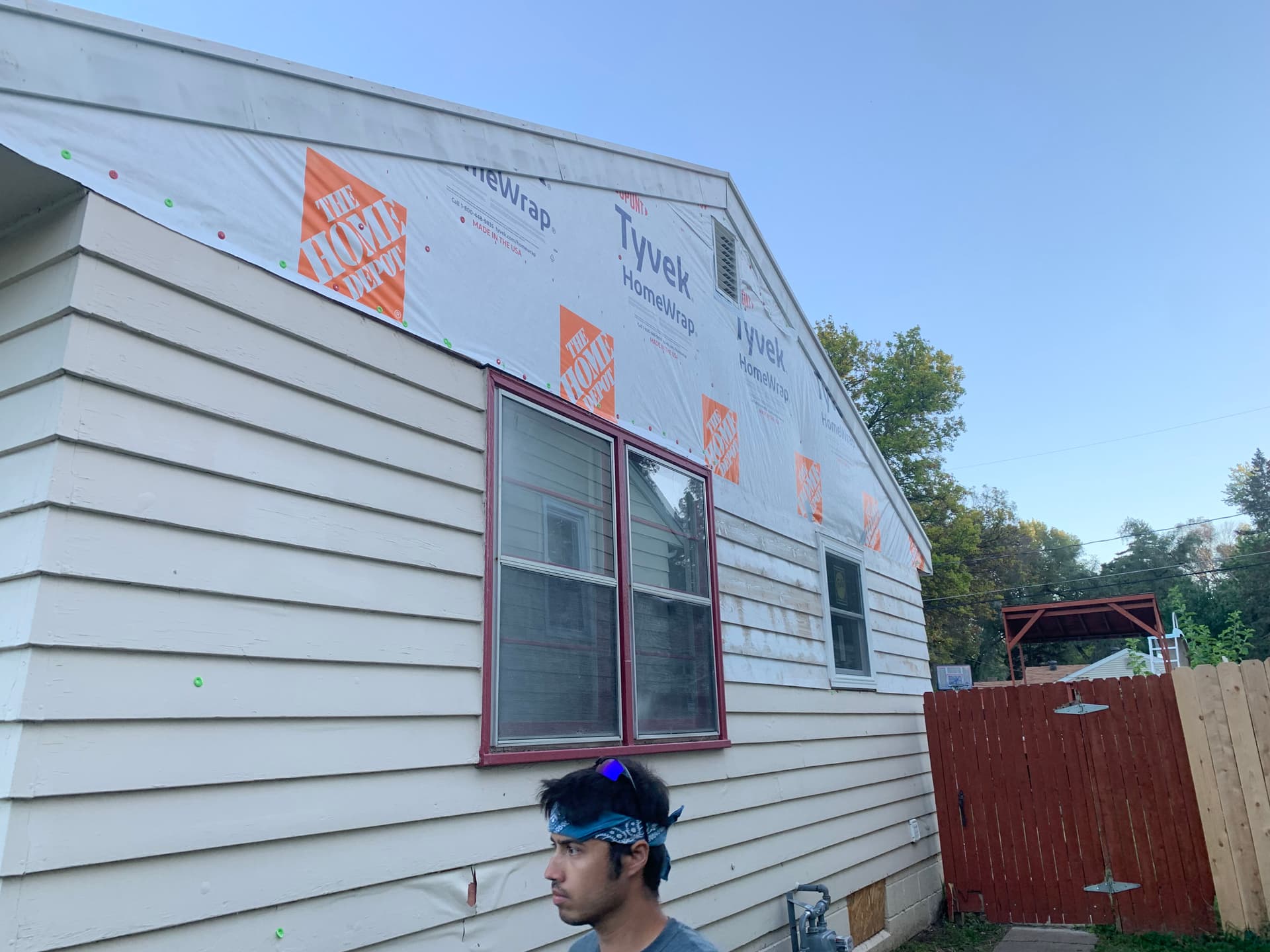
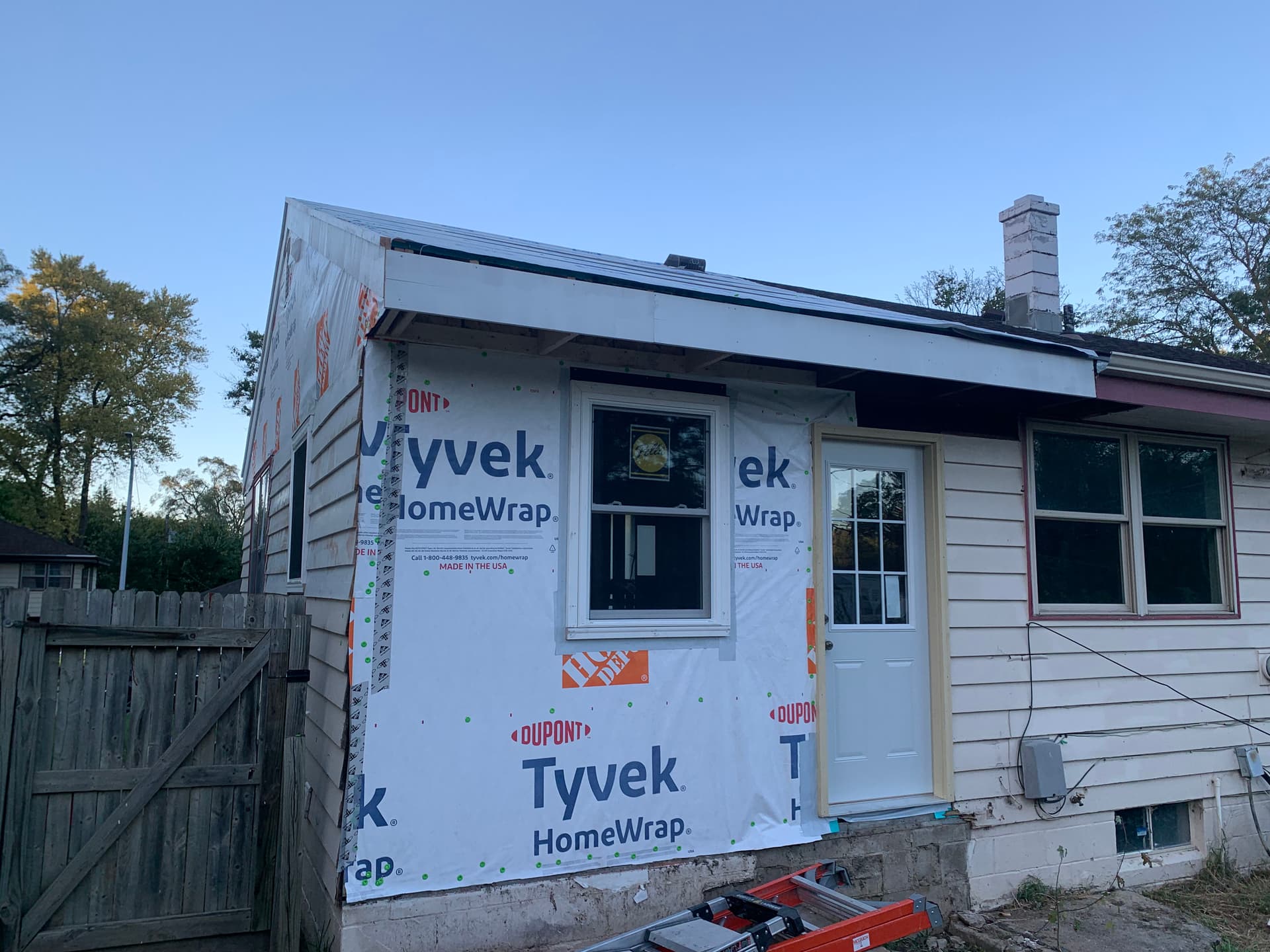
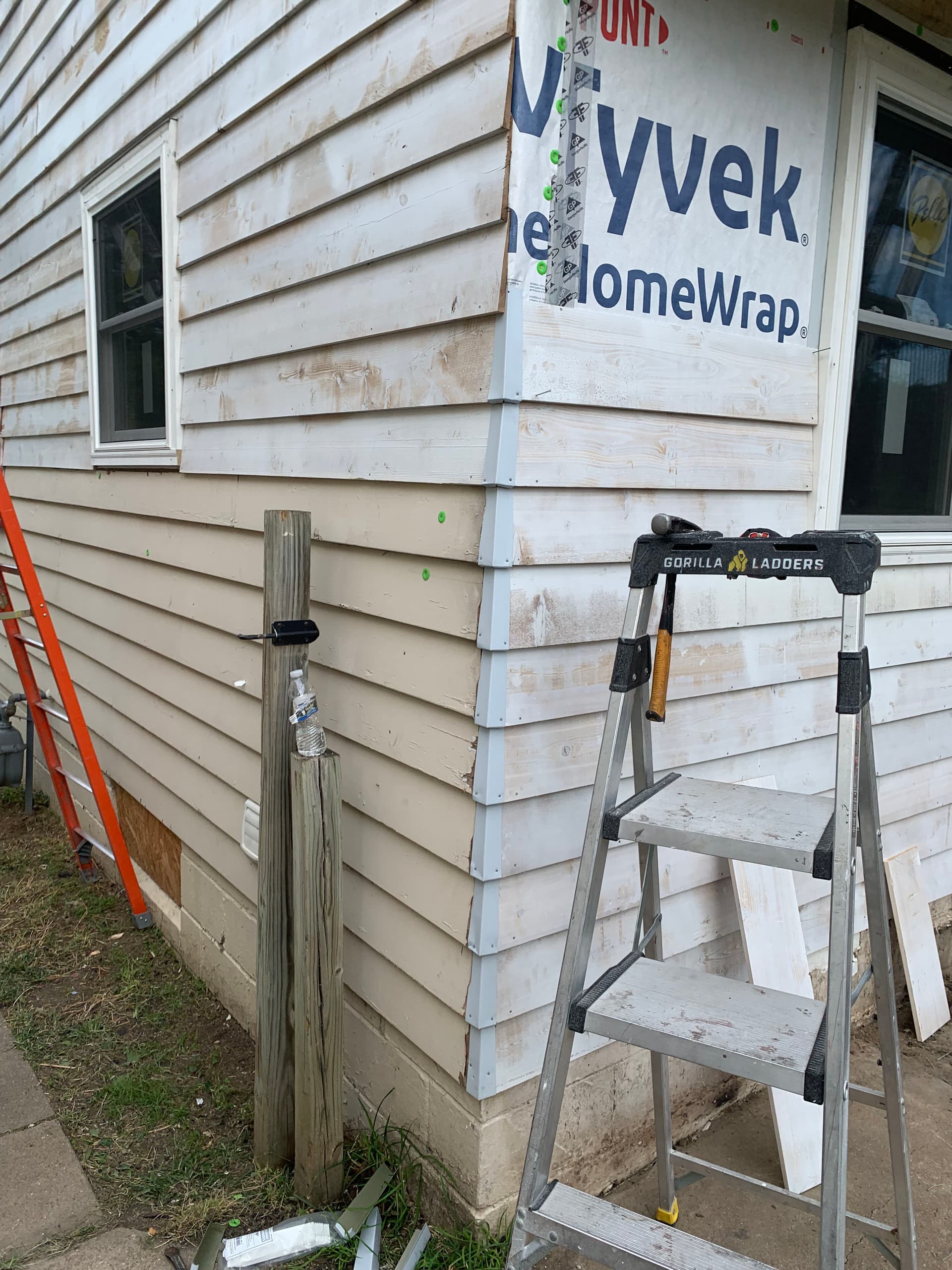
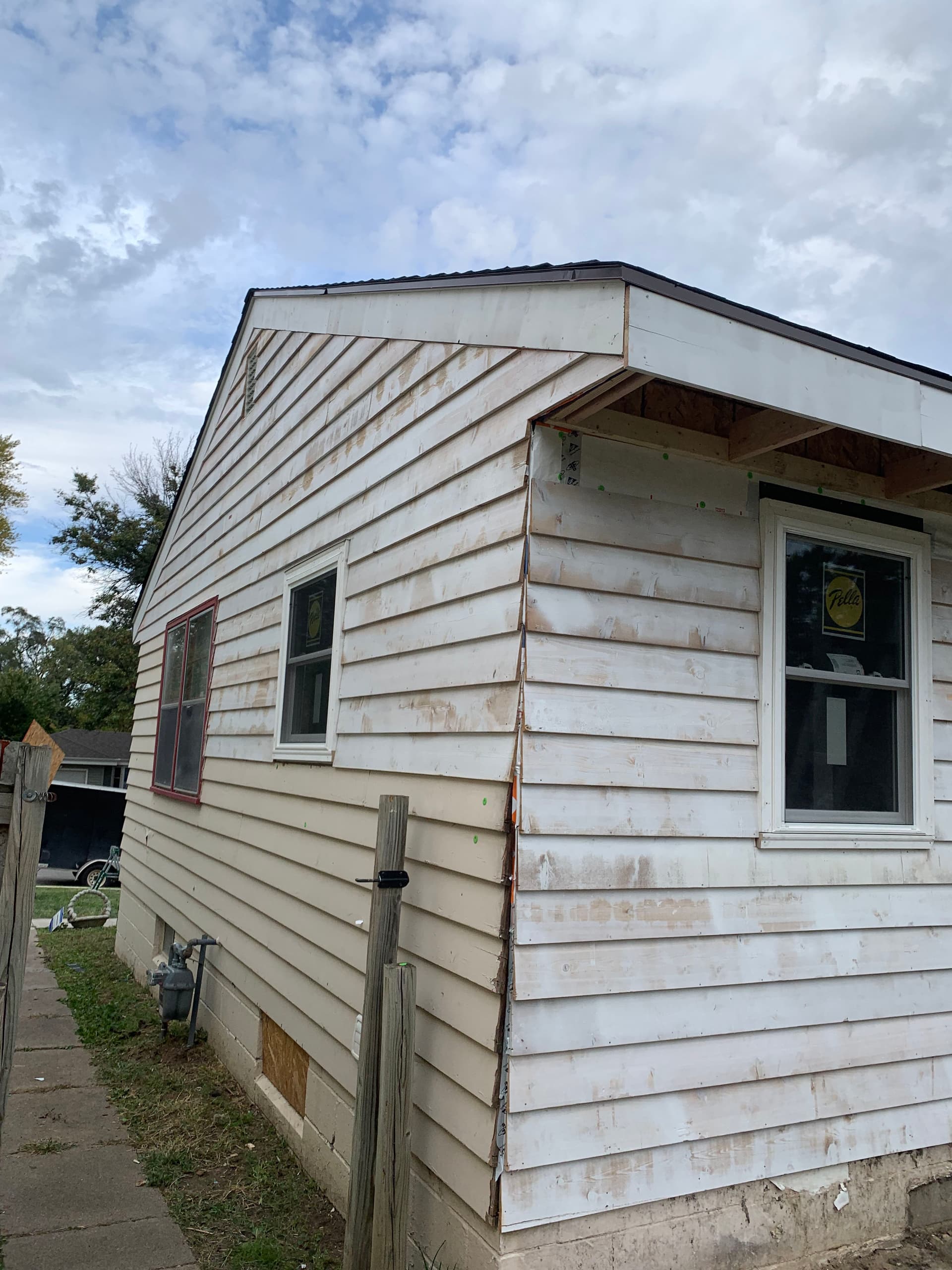
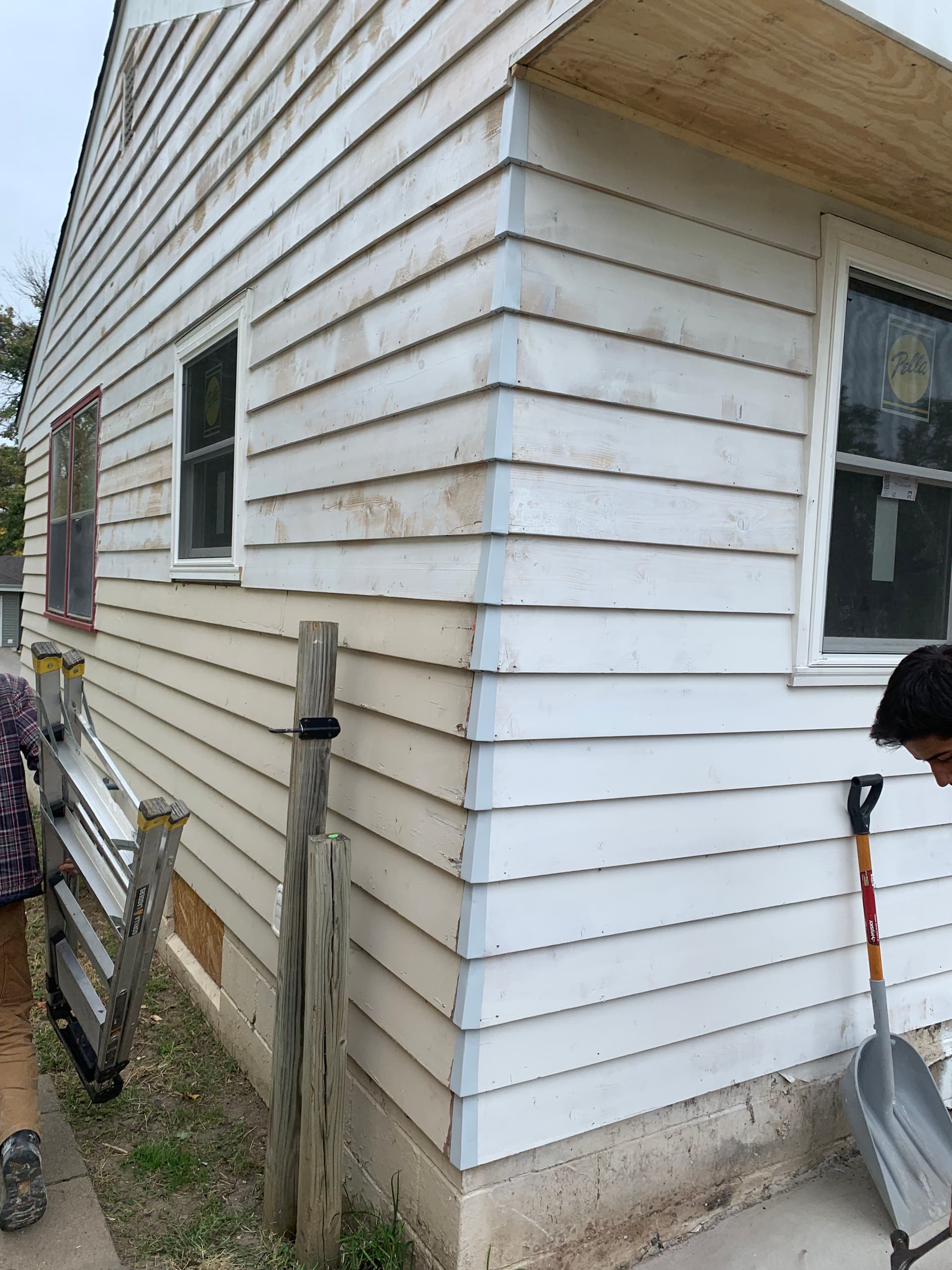
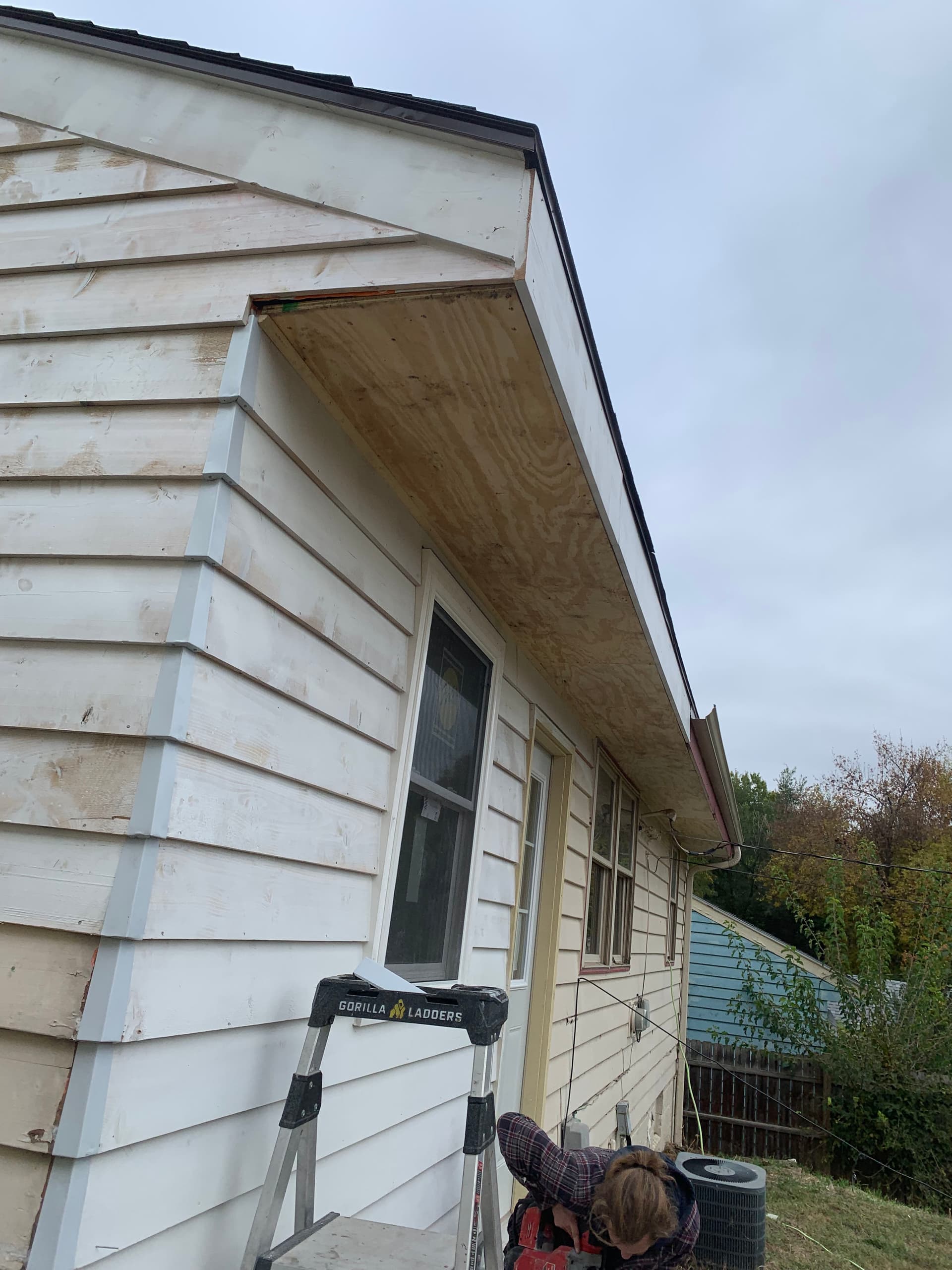
Fire damage is one of those situations where cutting corners isn't an option. The structure has to be right. The moisture barrier has to be right. And the finished exterior has to blend in so well that it doesn't look like a repair at all. That's exactly what we set out to do on this job.
We started from the framing out. Once the damaged structure was addressed, we got sheathing prepped and installed Tyvek housewrap across the affected sections - front and rear of the house. The housewrap step is one people don't always think about, but it's what keeps water and air from working their way behind the siding long after the job is done. Skip it or do it sloppy and you're setting the homeowner up for problems down the road.
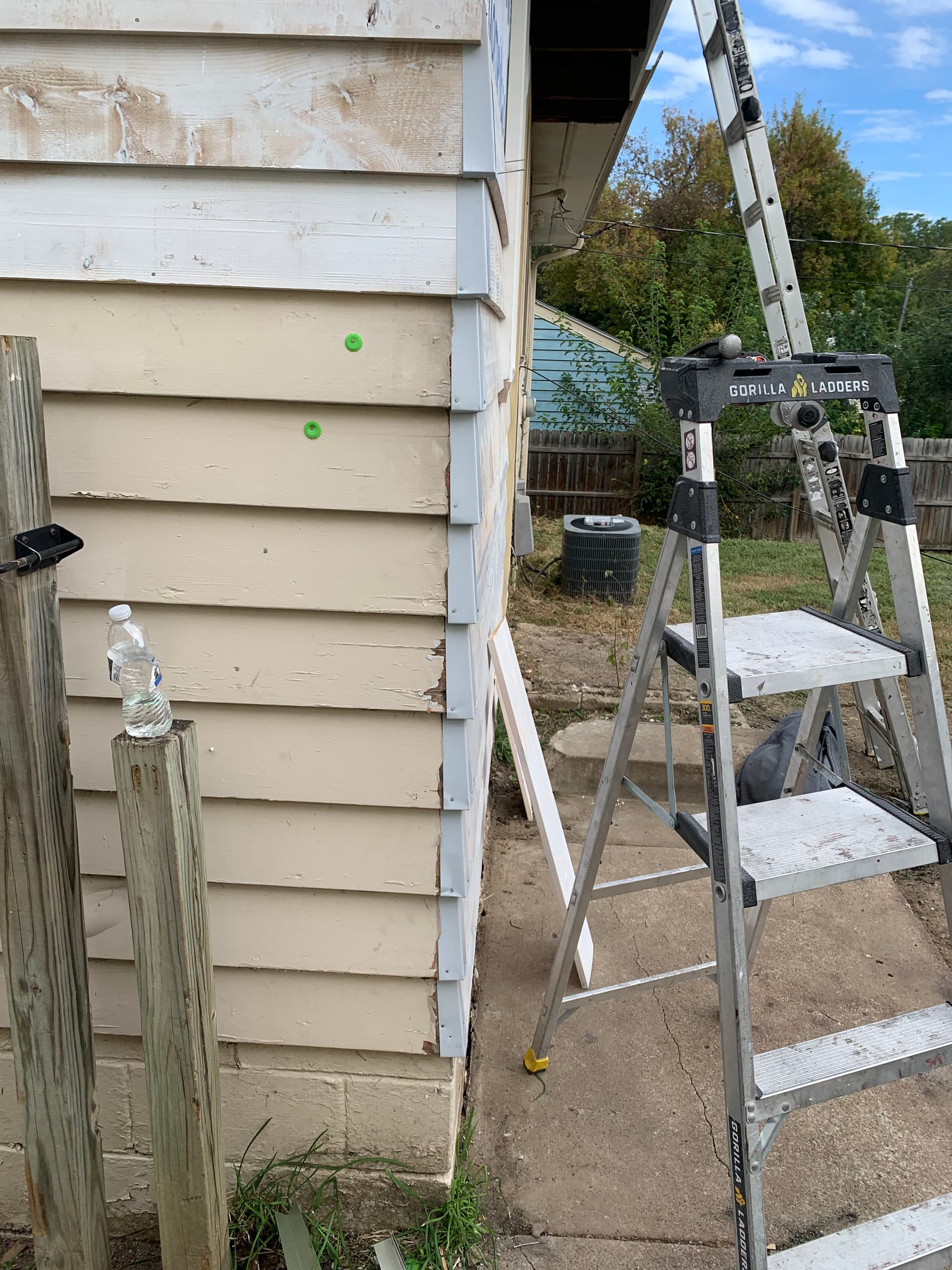
From there we moved into window and door installation, then lap siding to match what was already on the home. Getting the profile and reveal right on the new siding so it lines up cleanly with the existing courses - that's the part that separates a repair that looks like a patch from one that looks like it was always there. We also handled soffit repairs and replacement where the fire had done damage up along the roofline.
This kind of job pulls together a lot of what we do - structural framing work, exterior repairs, and the finish detail that makes it look right when it's all said and done. Every step feeds into the next. If the framing isn't solid, the siding won't sit right. If the housewrap isn't done properly, even perfect siding won't protect the home the way it should.
Fire damage repairs done the right way take time and attention at every stage. We don't rush through the foundational steps just to get to the visible work faster. The goal is always a finished product that holds up - and one the homeowner can feel good about.