Rotted Deck Torn Out and Rebuilt From the Ground Up
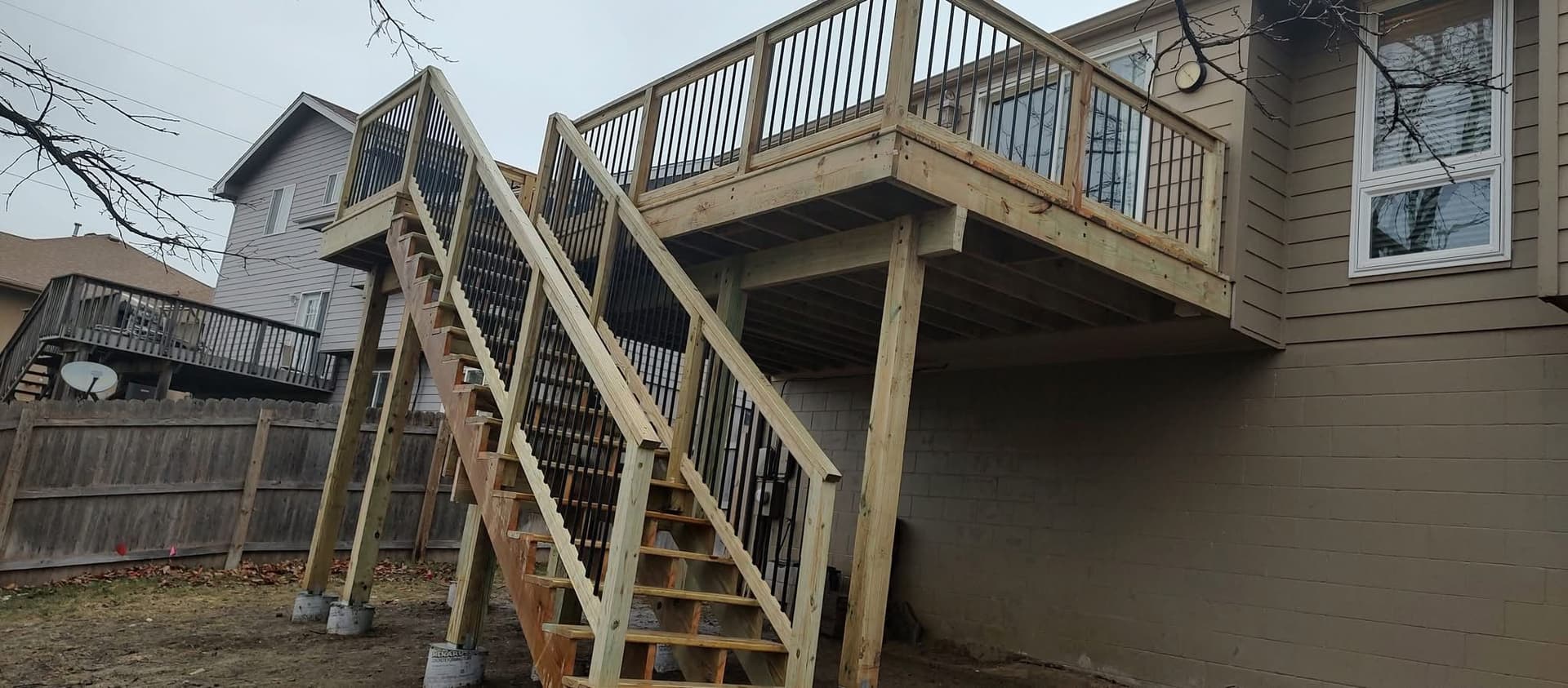
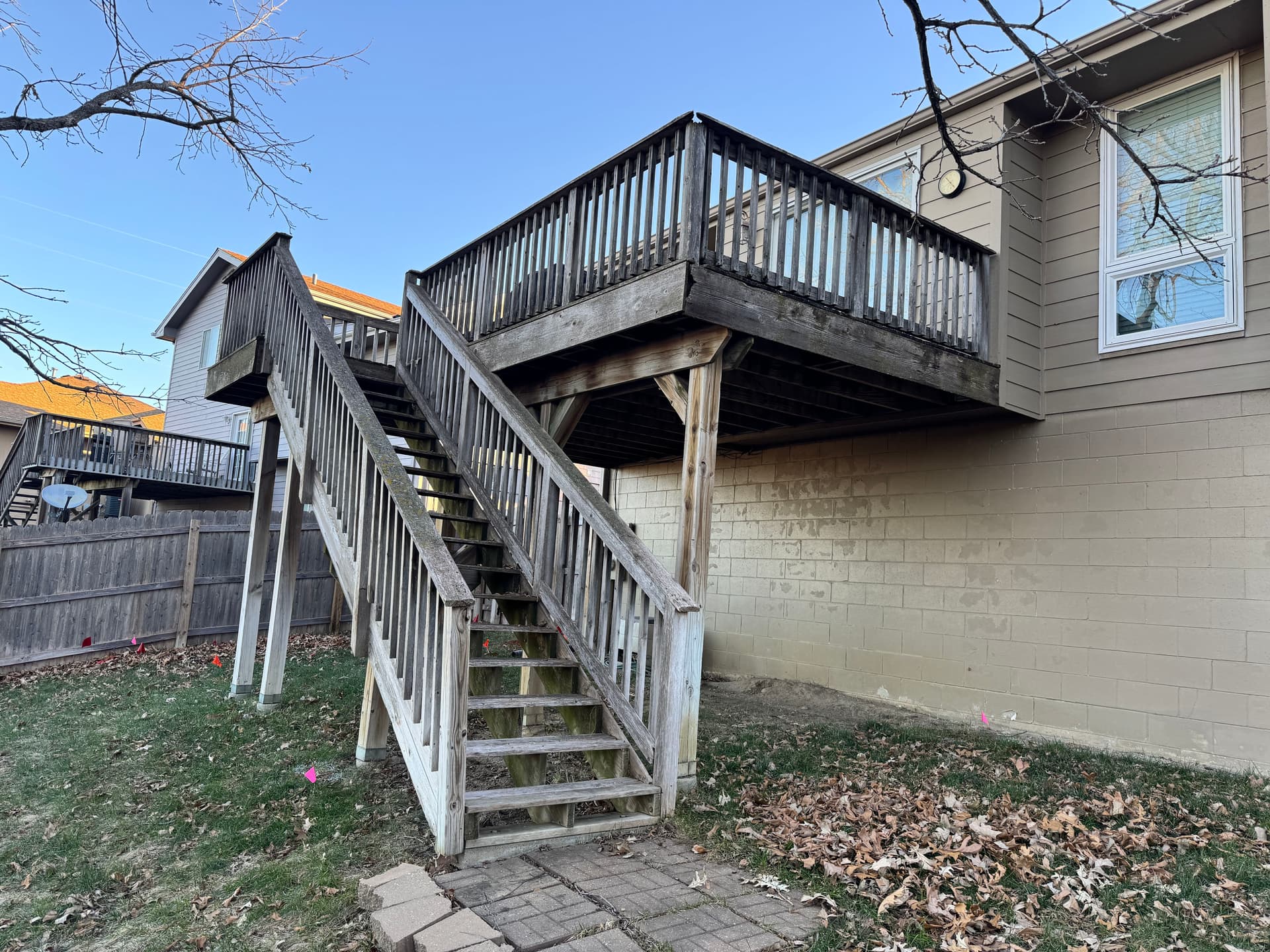
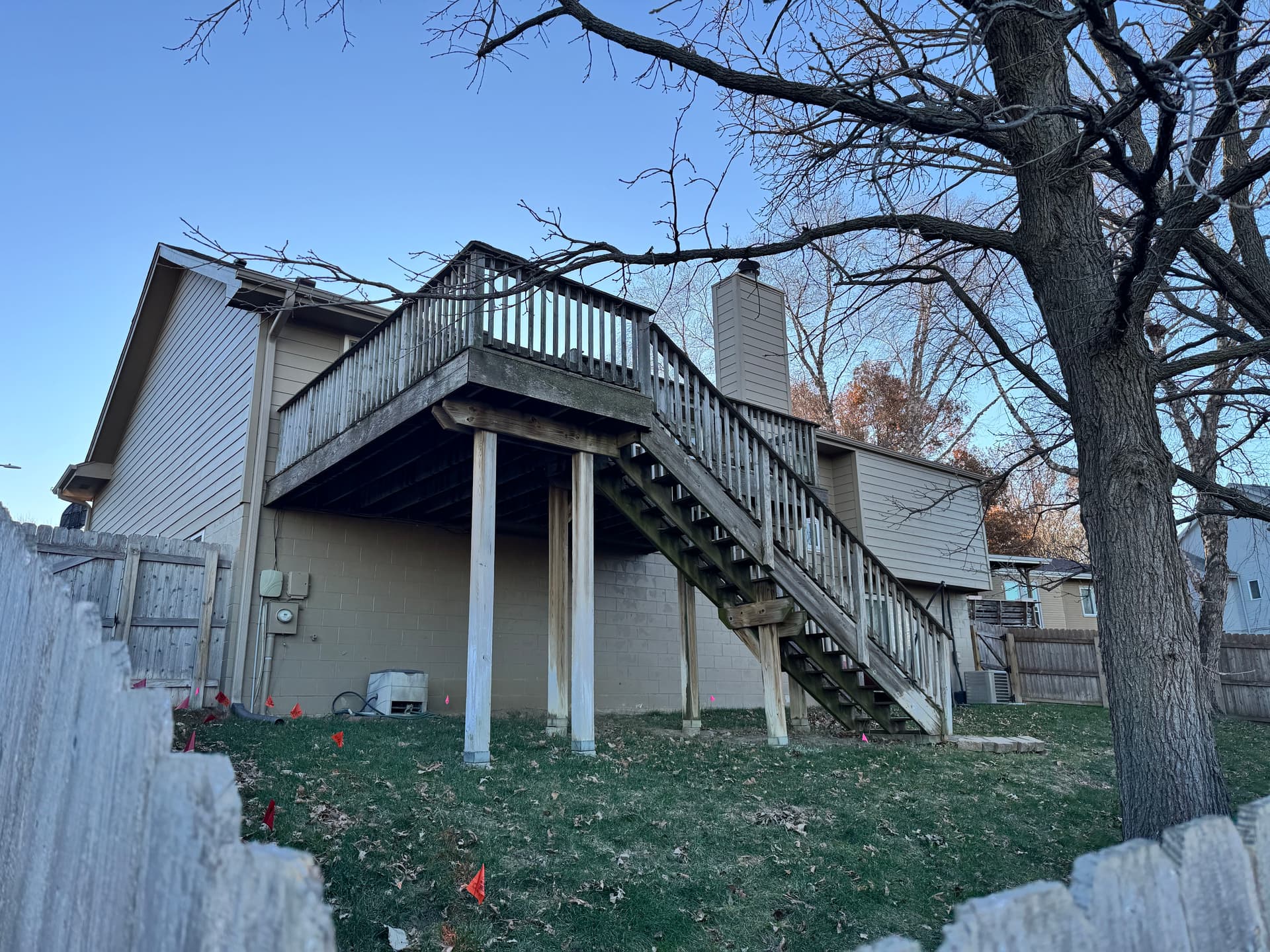
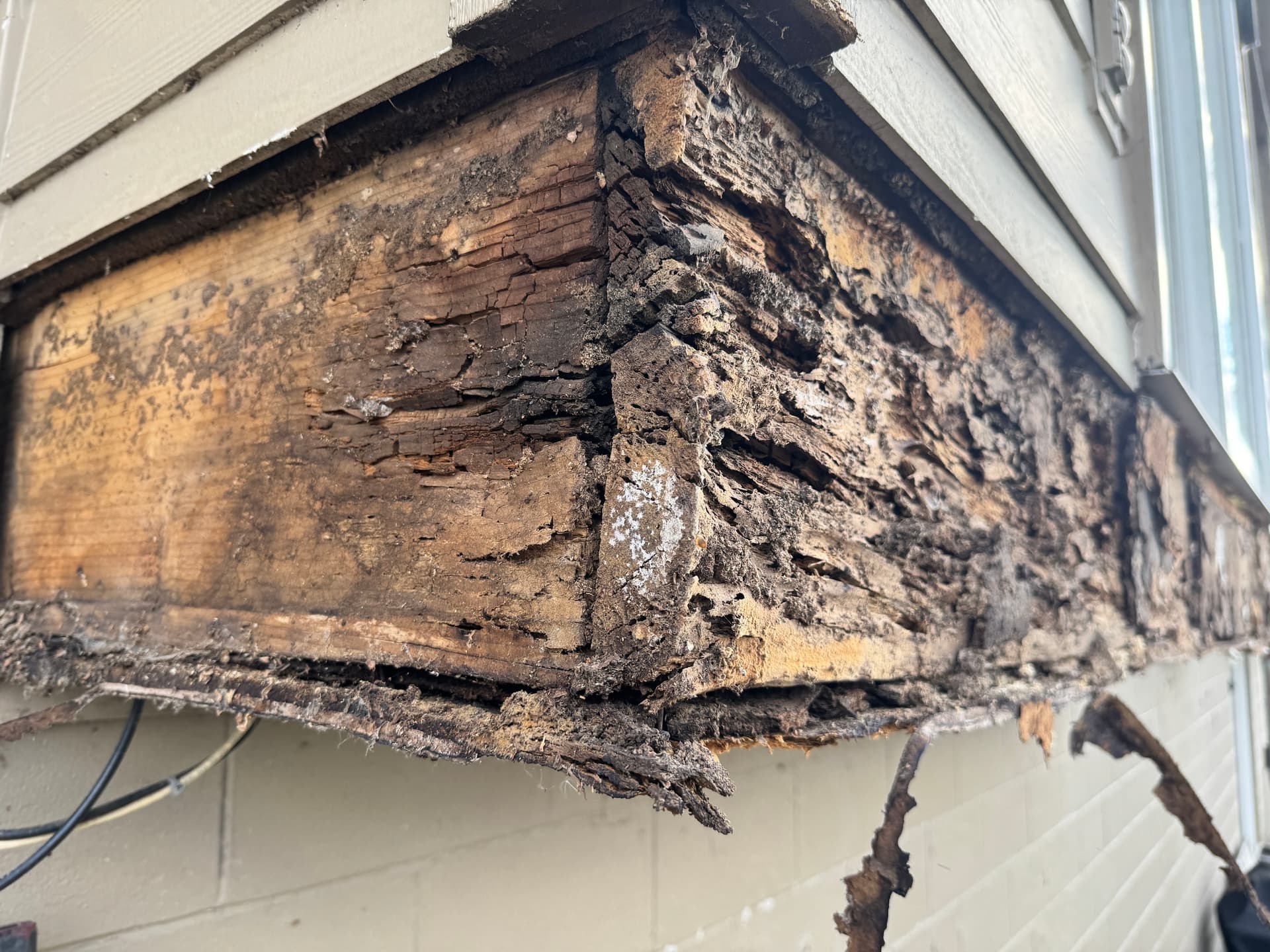
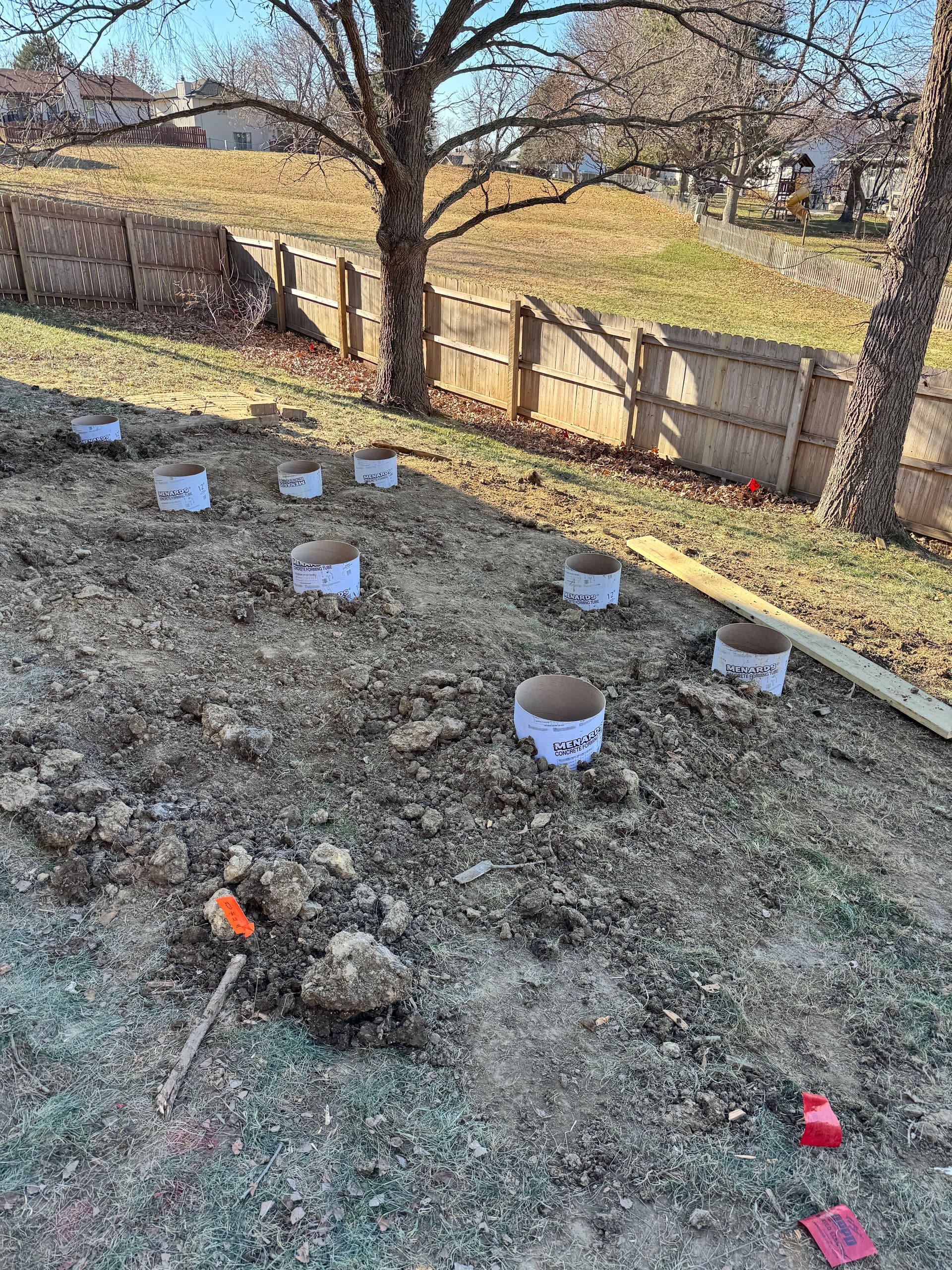
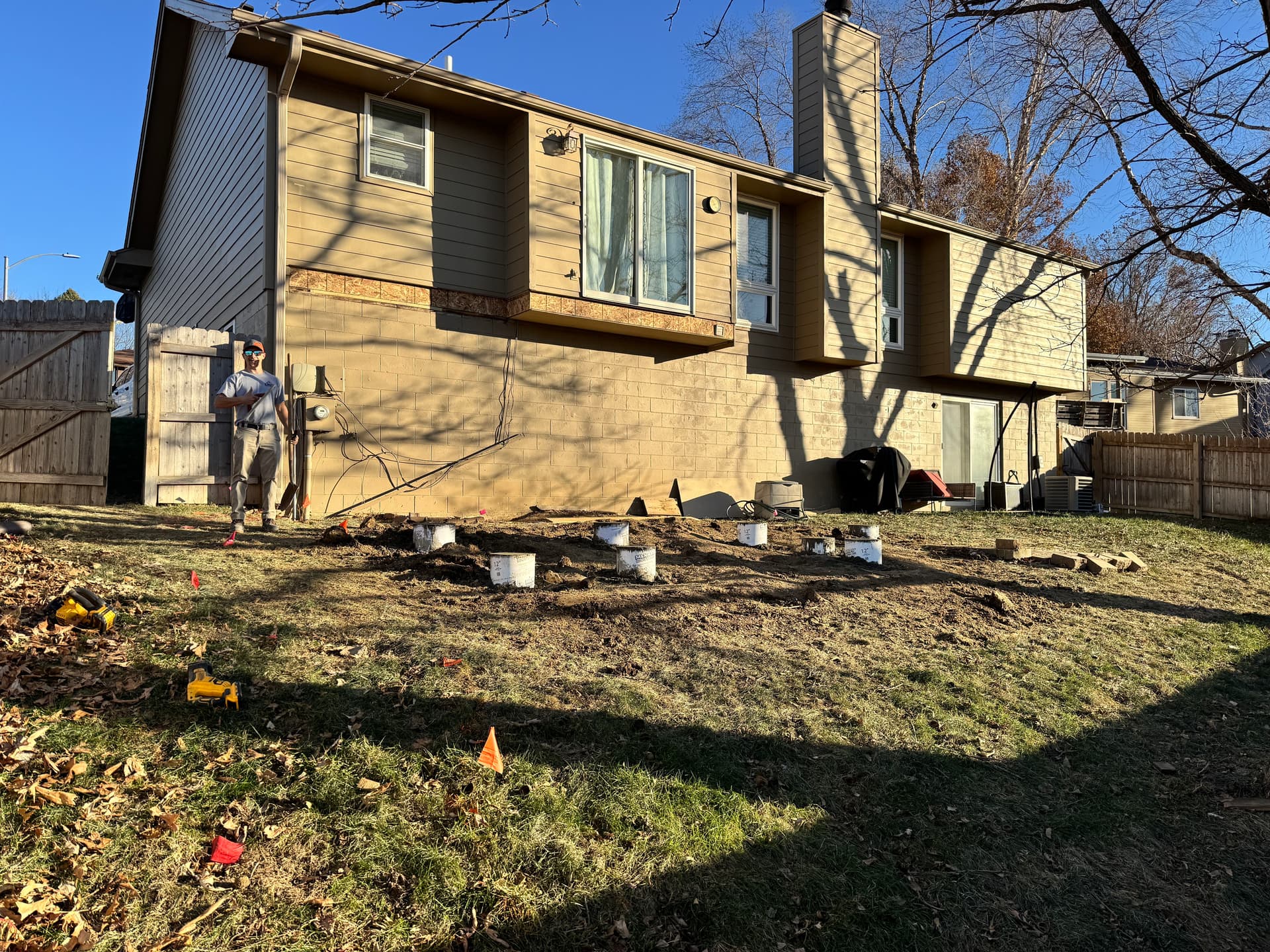
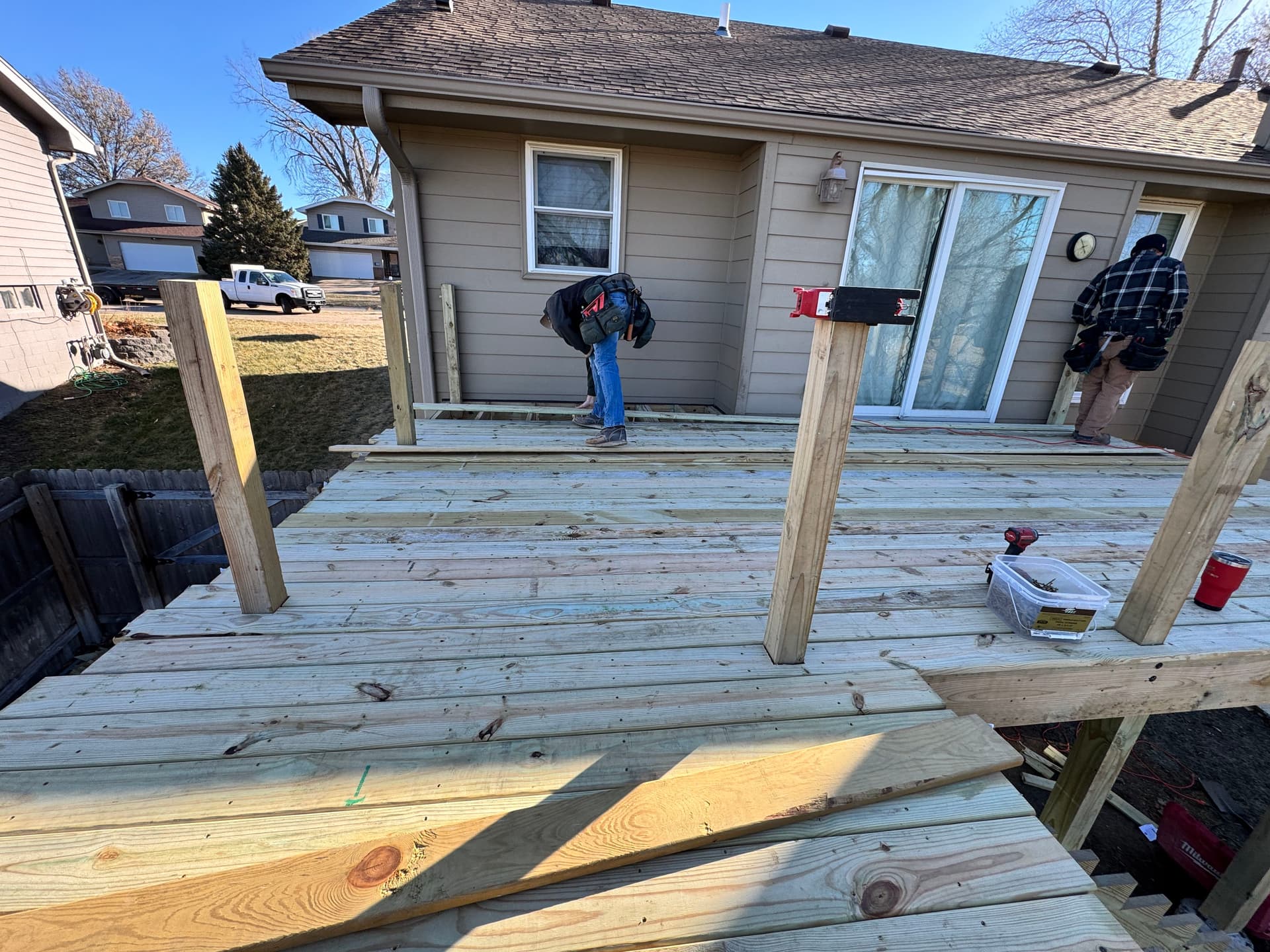
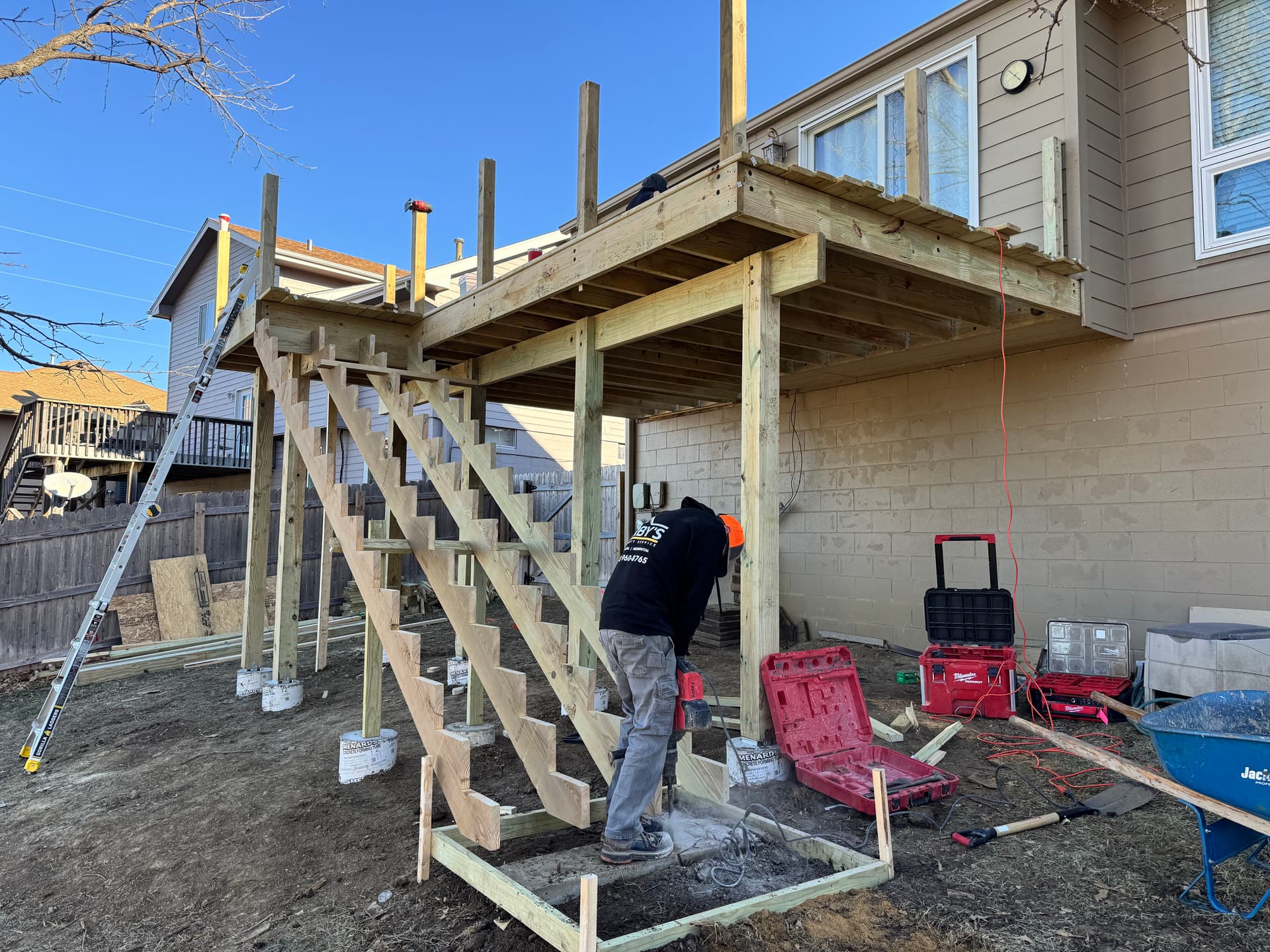
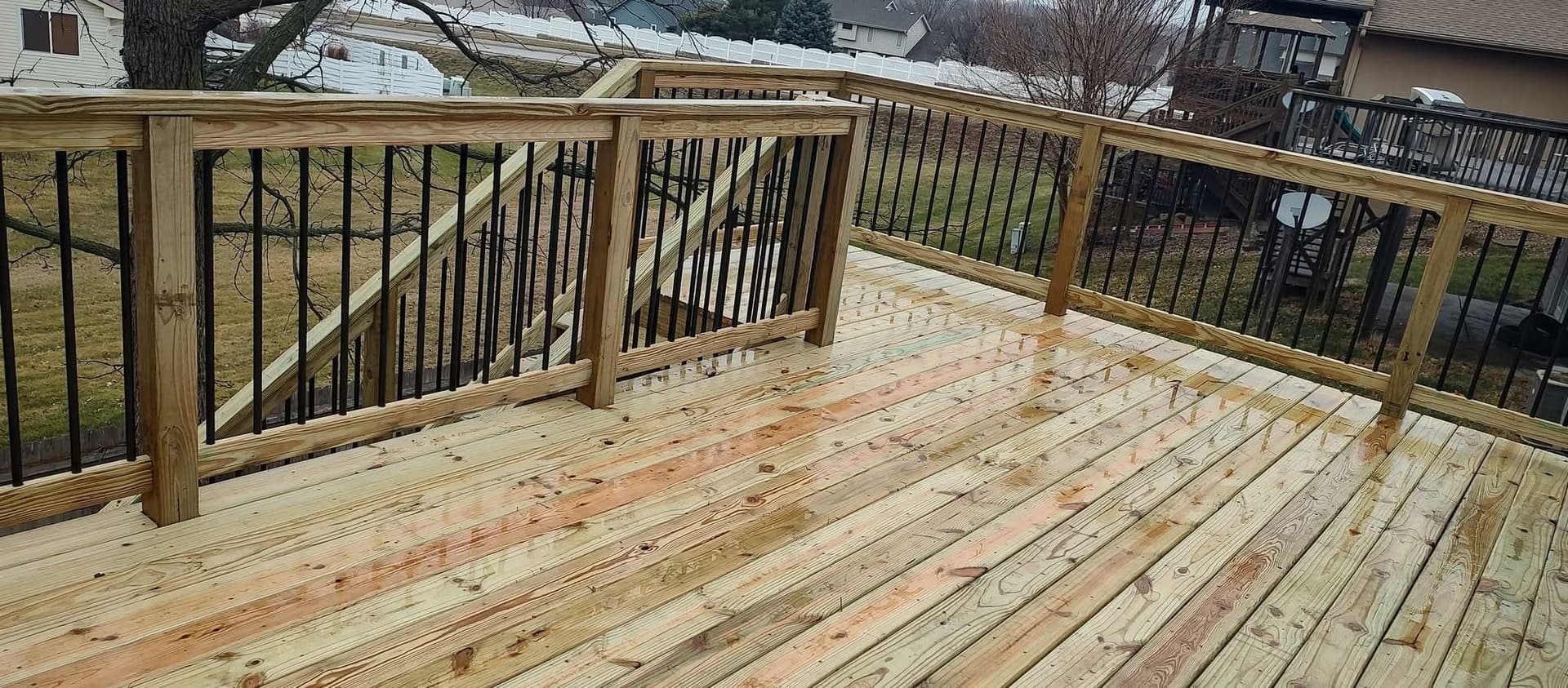
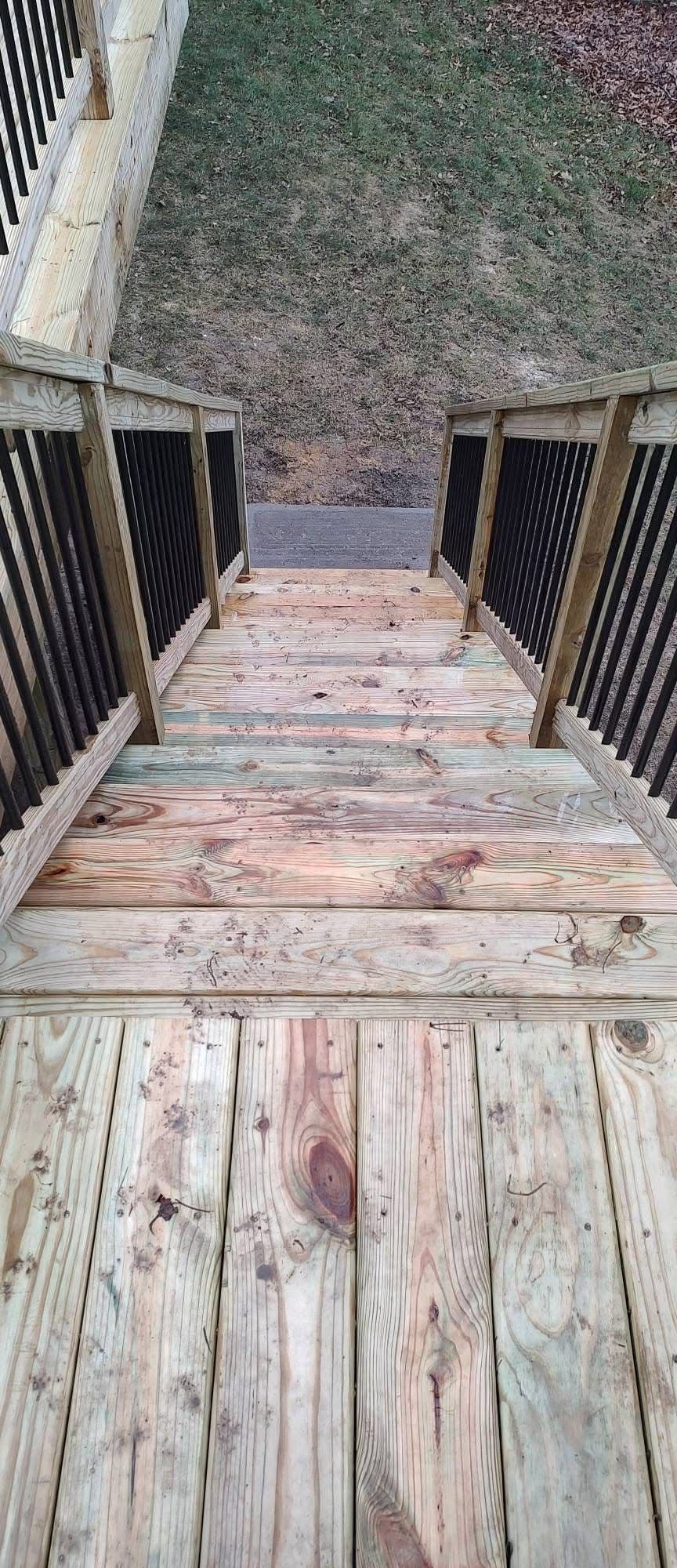
Some decks just can't be saved with a few boards and a coat of stain. This one had reached the point where it wasn't a deck anymore - it was a liability. The rim joist where the structure connected to the house had rotted completely through, the framing was compromised, and the whole thing was essentially held together by habit. When we got into it, the right call was clear: tear it all out and start fresh.
That's exactly what we did. We demo'd the entire structure down to nothing, then dug and poured new concrete footings to give everything a proper foundation. From there we built up a new frame, laid fresh pressure-treated decking, and finished it off with new posts and upgraded metal baluster railing. Every piece of this deck is new. Nothing was patched over or ignored.
One thing we want to point out - that rim joist repair mattered a lot. A rotted rim joist means the deck is pulling away from the house, or worse, it's held in place by fasteners driven into wood that has the structural integrity of wet cardboard. We cut out the damaged section and replaced it before framing anything else. That step alone is what makes the rest of the build actually safe.
The stair rebuild was handled the same way. New stringers, new treads, new railing with black metal balusters running the full length on both sides. The stairs on a raised deck like this take a beating - they're the first thing people grab when the footing is off or when ice hits. Getting them right isn't optional, it's the whole point.
What this family ended up with is a backyard space they can actually use without wondering if the boards under their feet are solid. That's the standard we hold ourselves to on every deck build - no shortcuts, no hiding problems, just solid work that's built to last and up to code.