Wind-Damaged Fence Repair Done Right - New Posts, Rails and Pickets
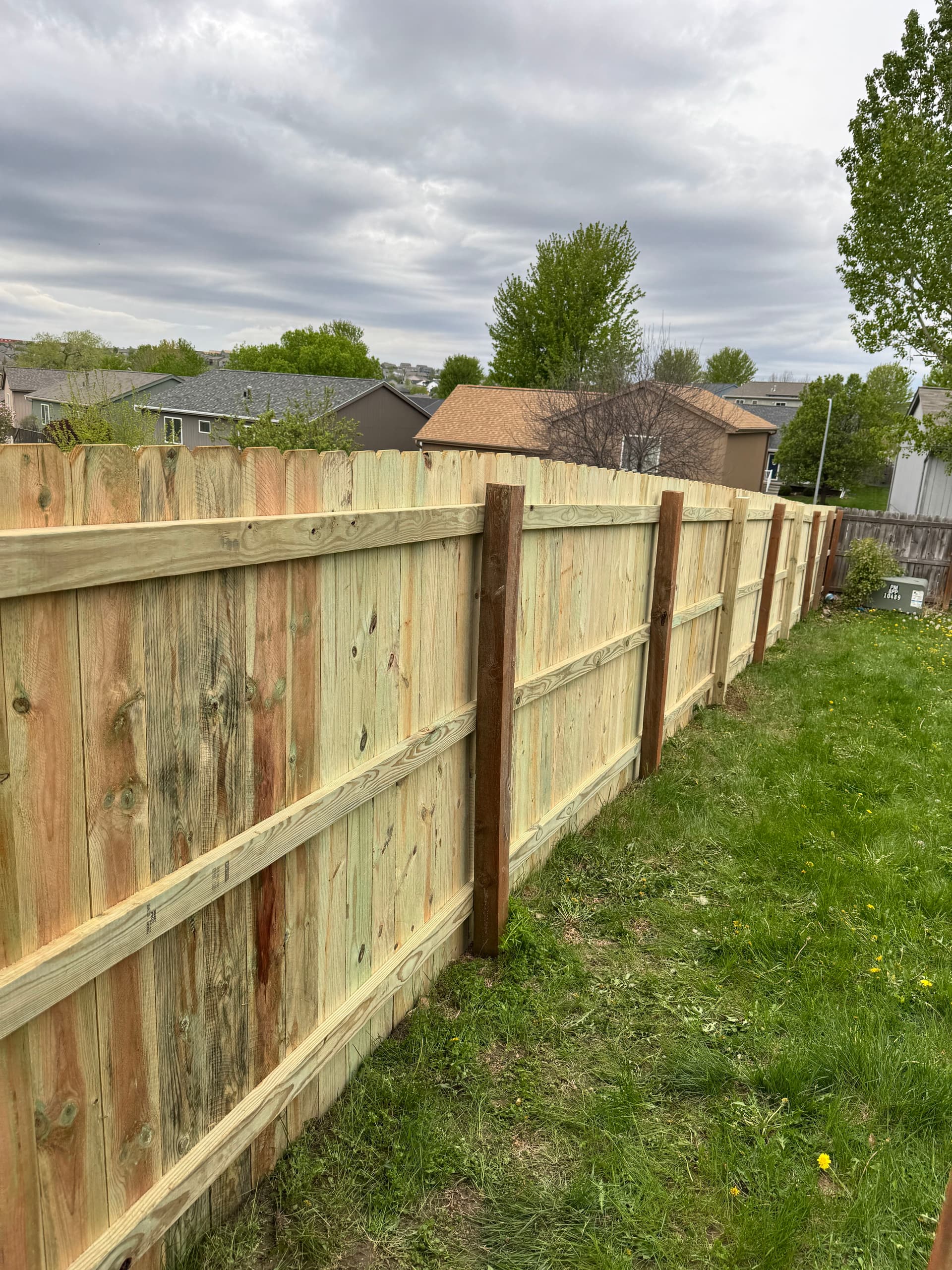
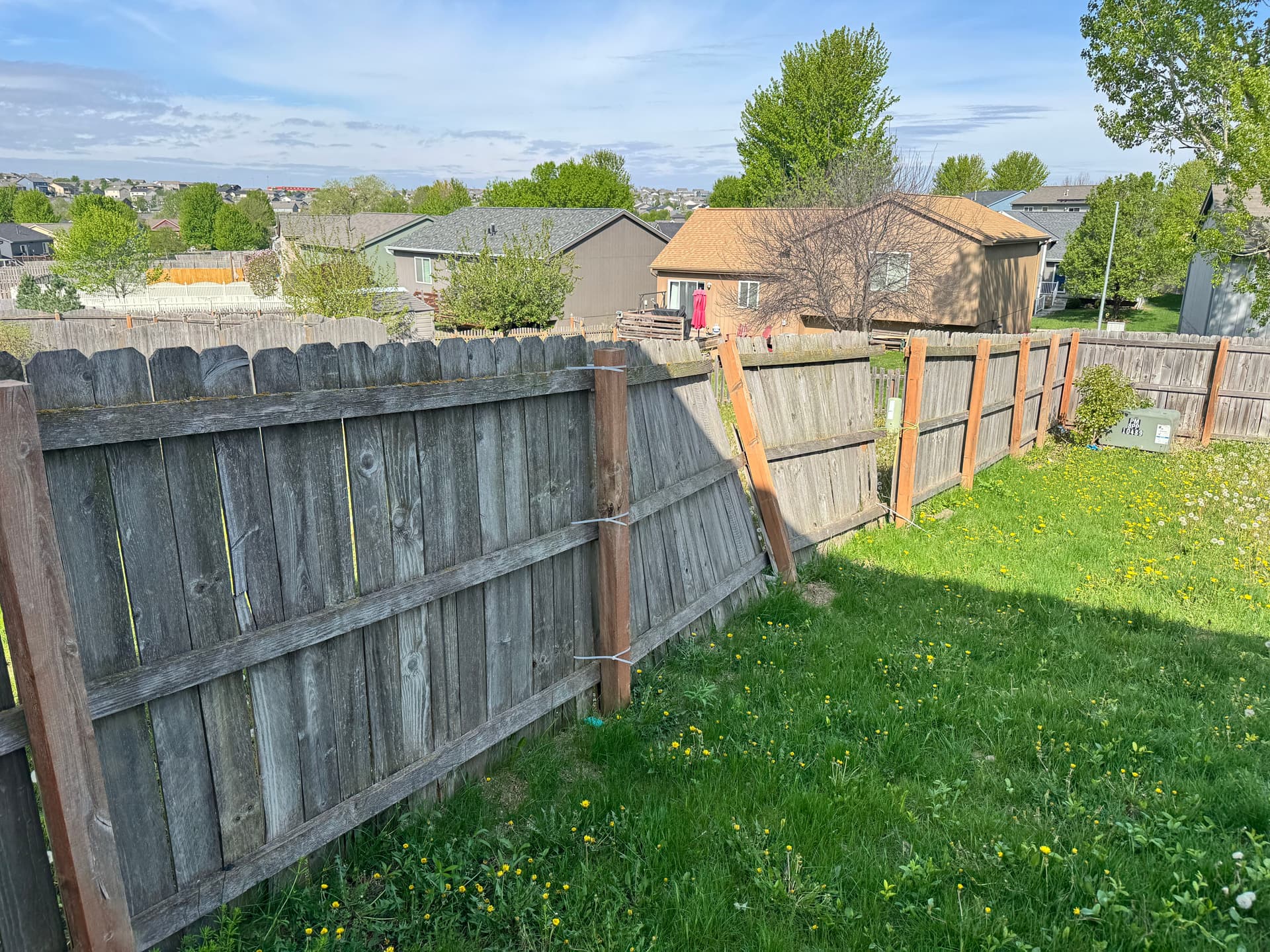
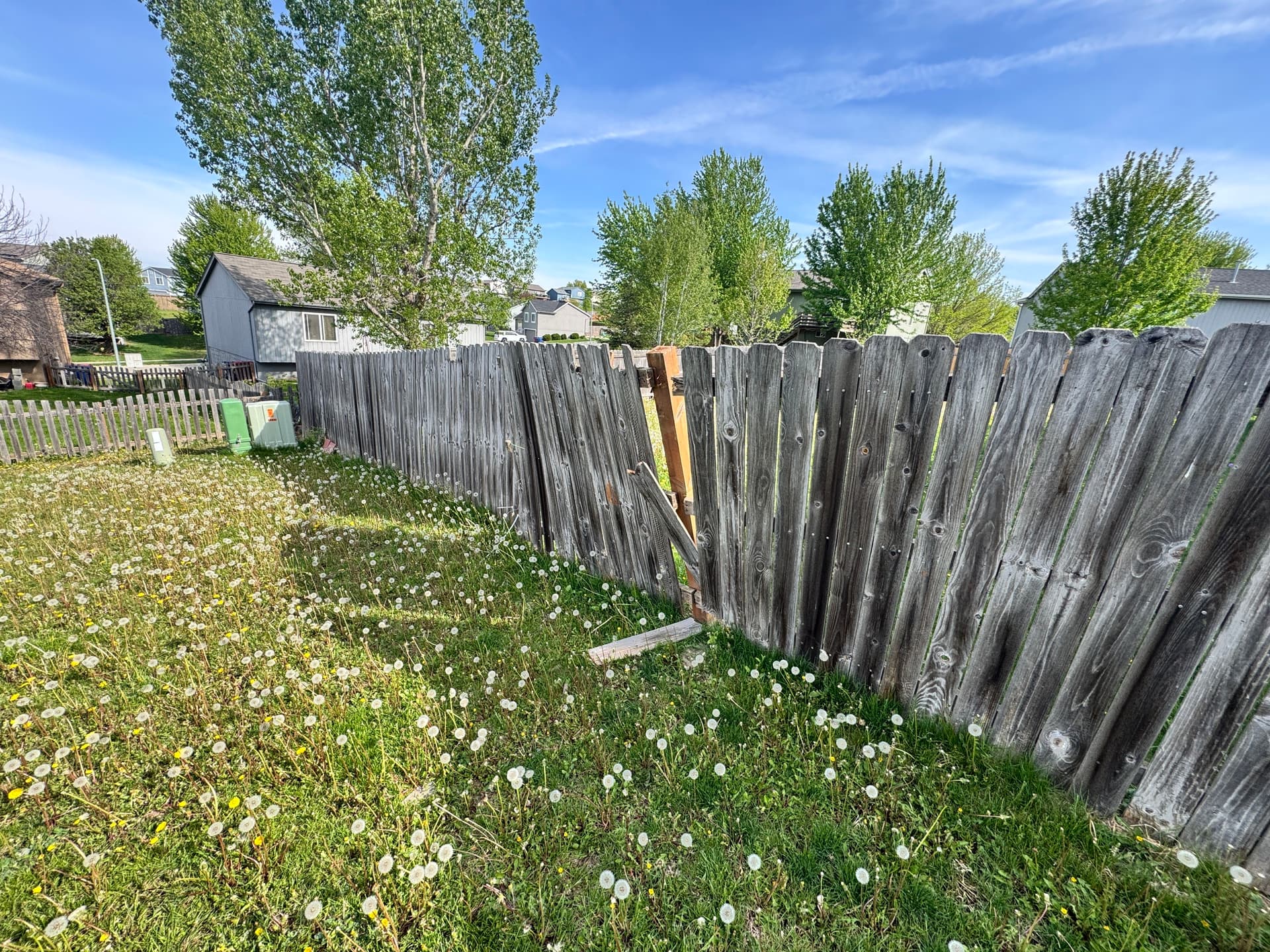
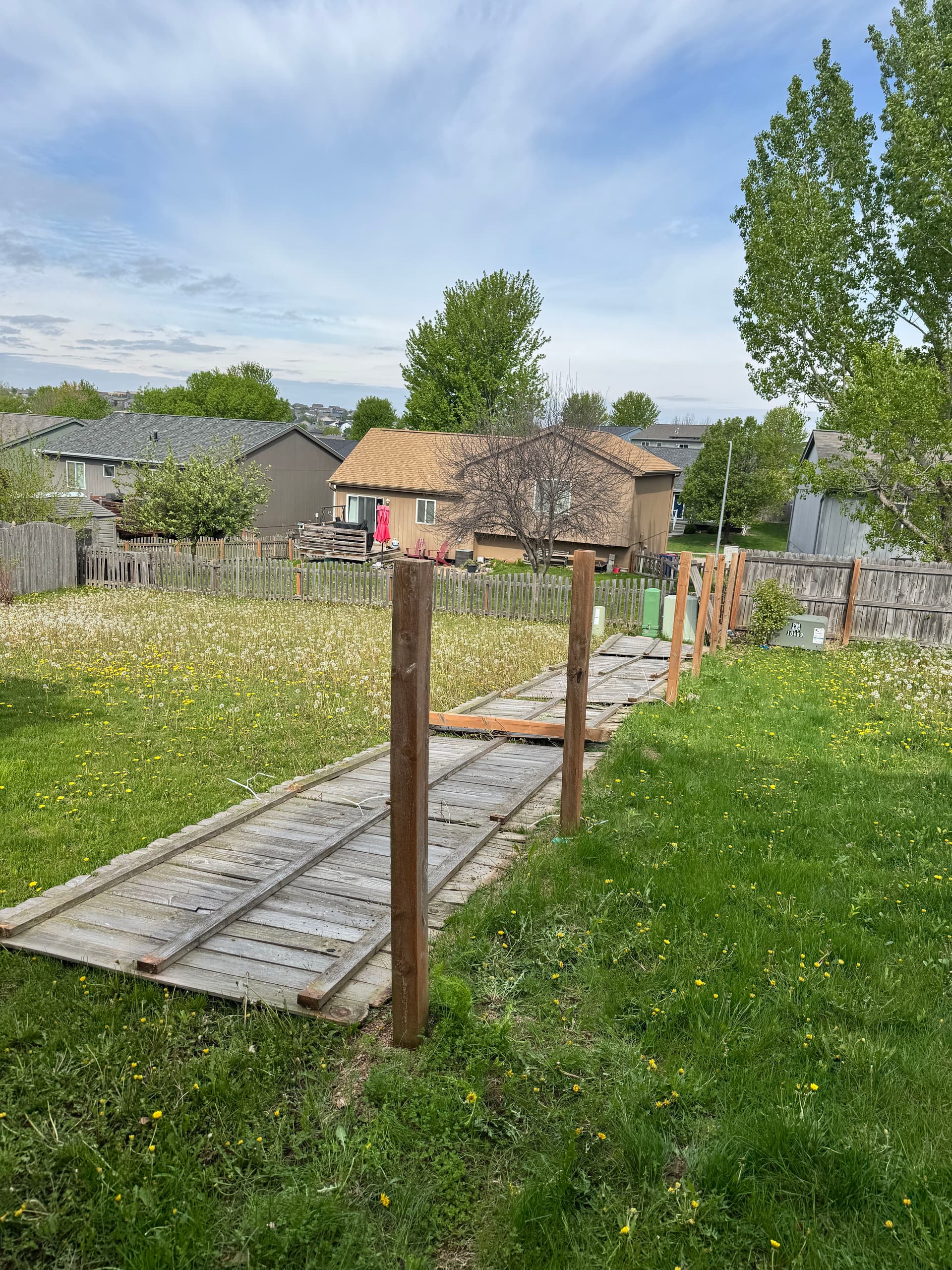
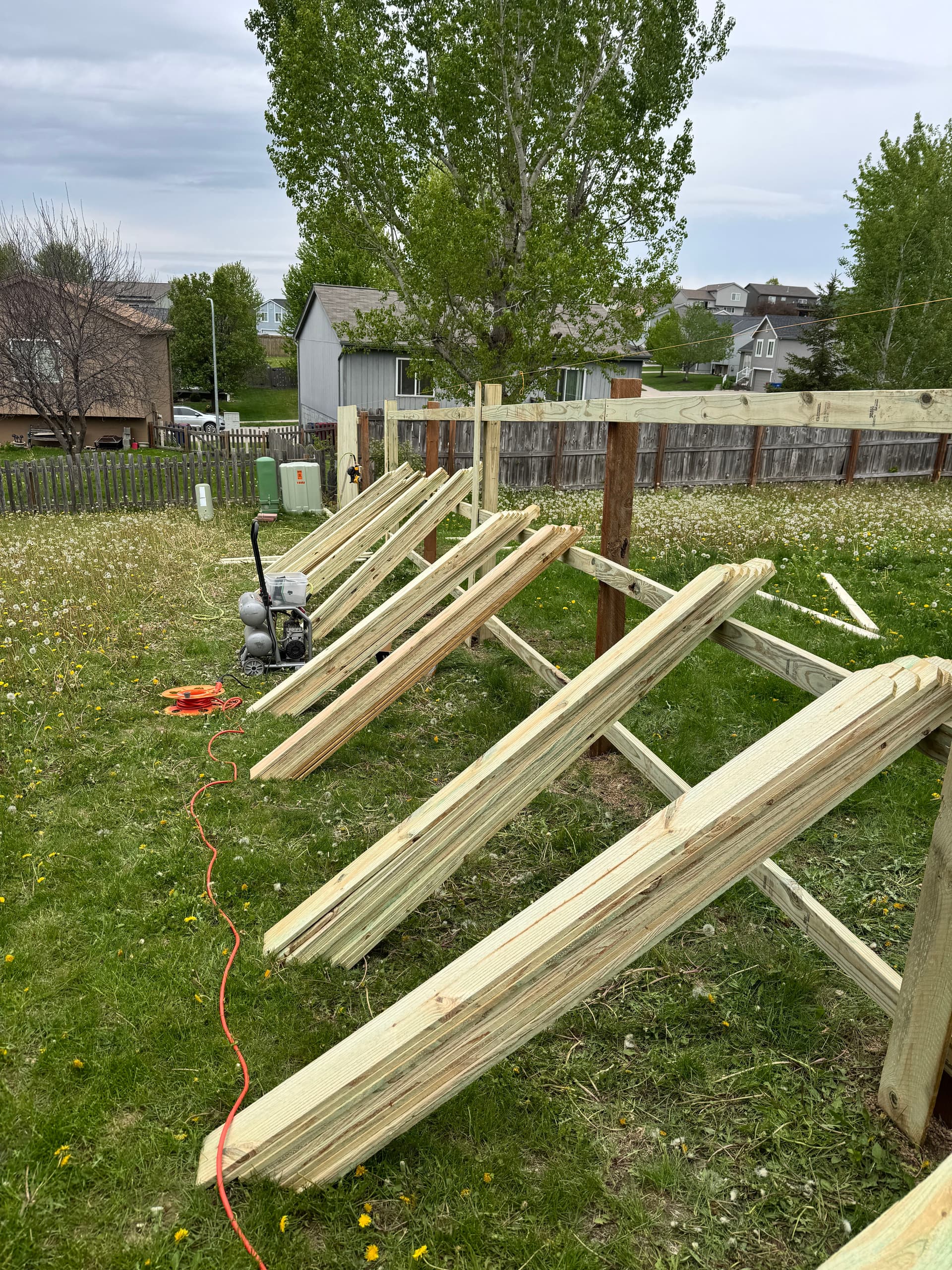
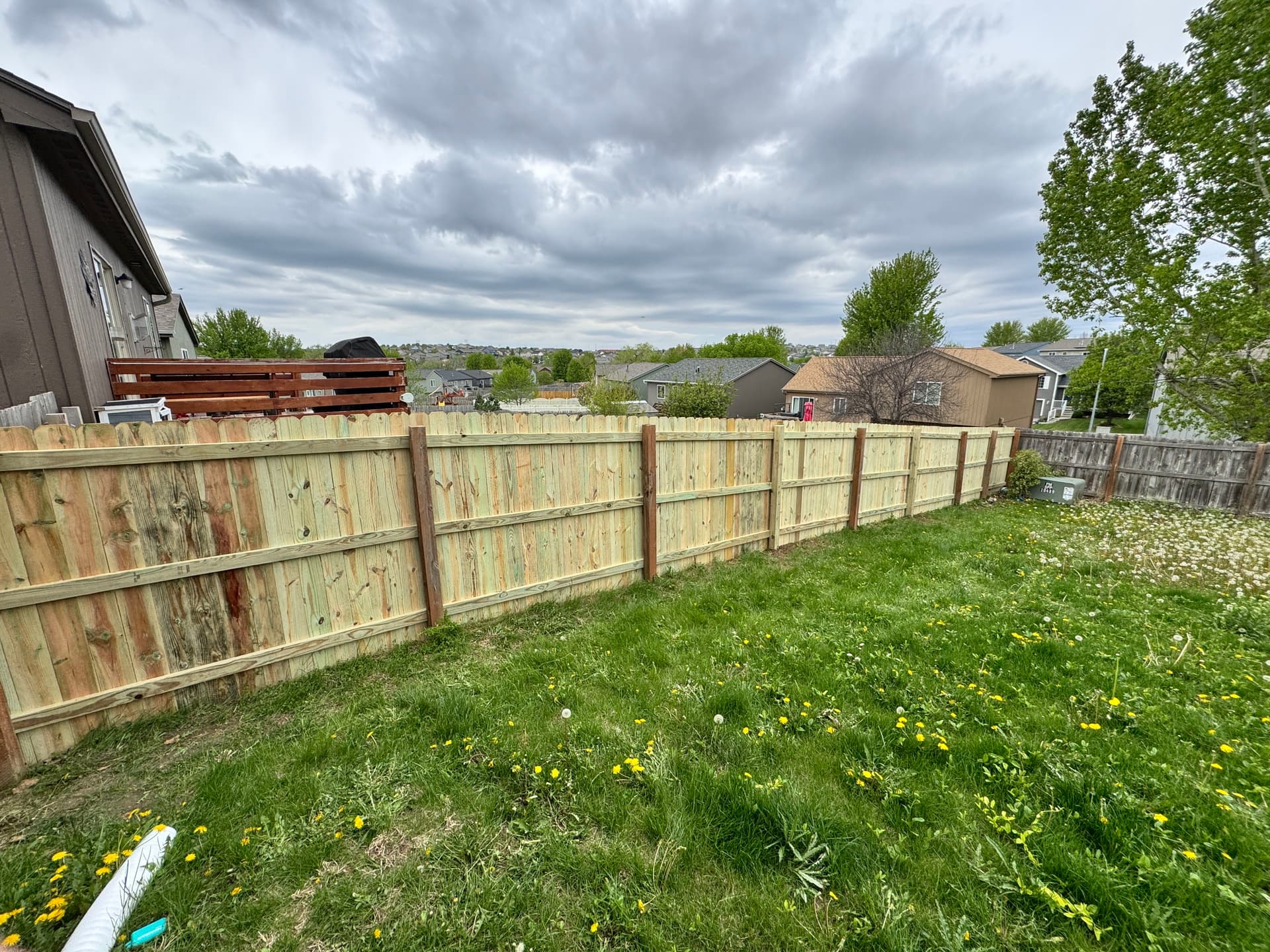
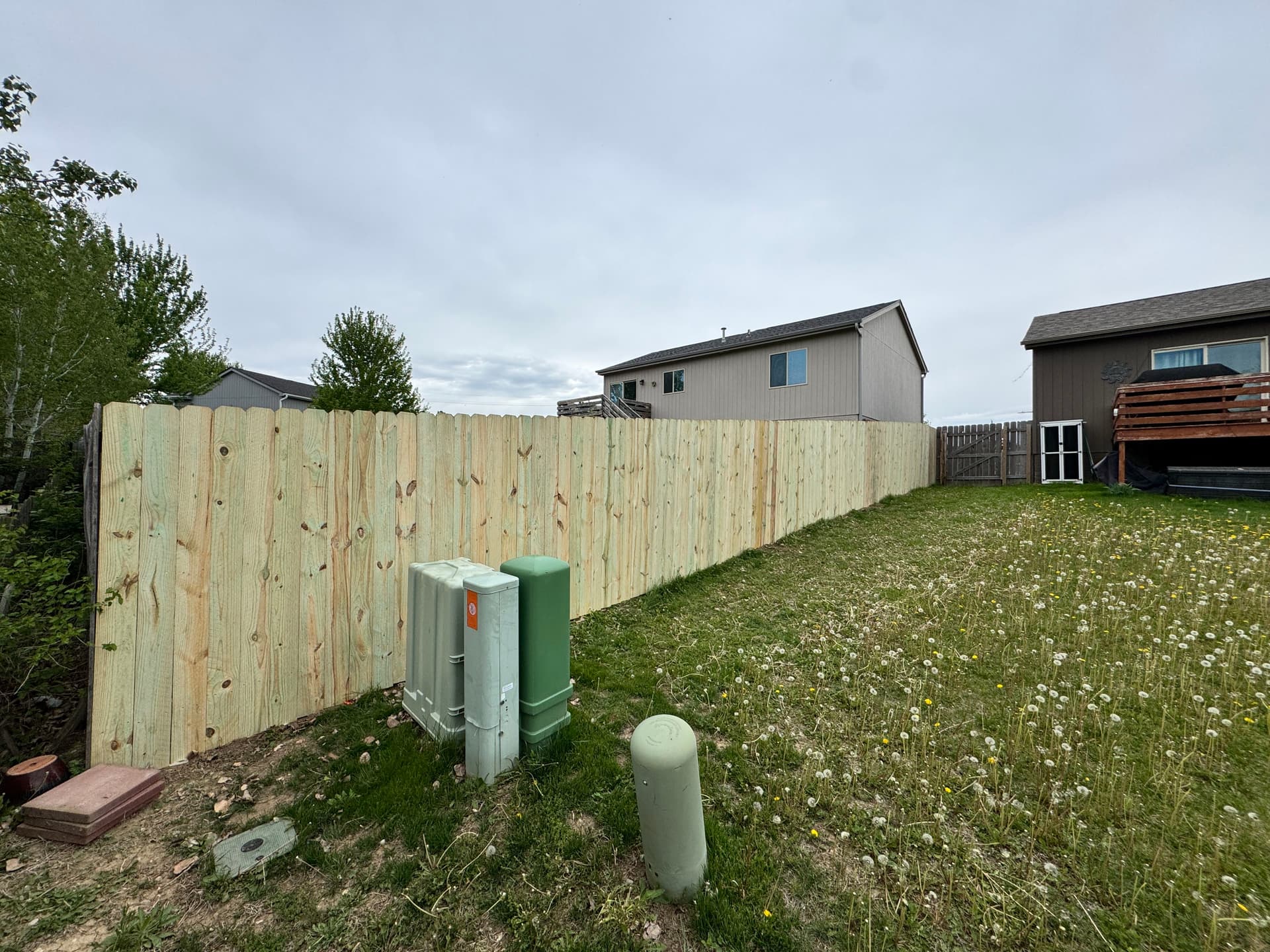
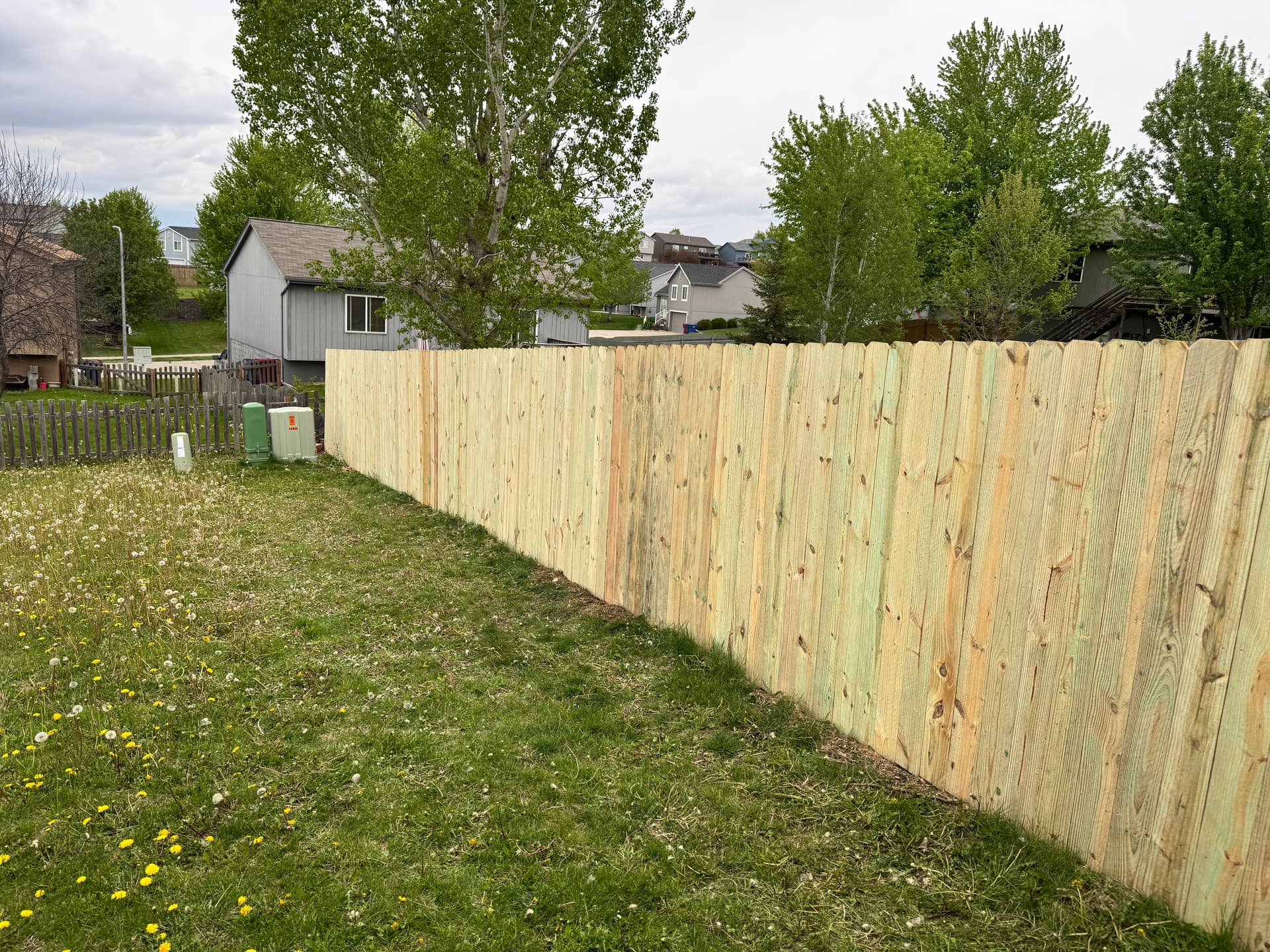
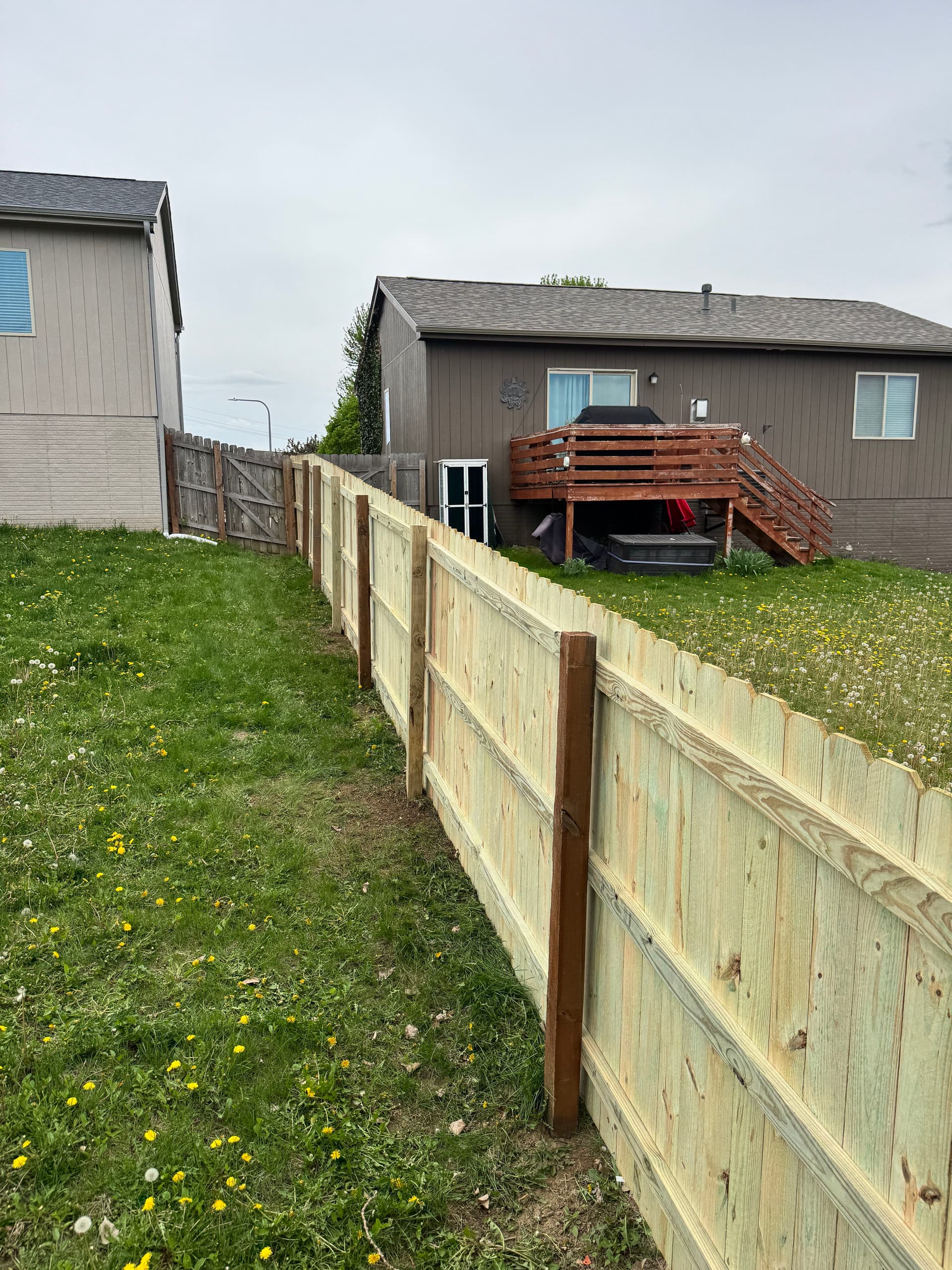
Wind can do a number on a fence fast. One snapped post is all it takes - and suddenly you've got panels leaning, rails pulling away from the posts, and a gate that won't function at all. That's exactly what we were dealing with here. The damage gave way to a full run of panels that had completely lost their footing.
Here's what we were working with: old weathered pickets that had been hanging on for years, posts that had given up, and fence sections flat on the ground. Rather than patch over a fence that was already at the end of its life, we stripped it all the way down. Old pickets and rails came off, and we got to work setting two new 4x4 posts to anchor everything properly.
From there, we installed fresh rails and new pickets across the full run. The difference between old and new lumber is hard to miss - pressure-treated wood ready to handle whatever the weather throws at it, versus the gray, dried-out boards that had been there for years. We also dialed in the gate so it swings clean without dragging on the grass. That's a detail a lot of people overlook, but a gate that binds or catches is just damage waiting to happen again.
What we ended up with is a fence that's structurally sound from the posts up. No shortcuts, no half-measures. When we do fence repair, we're thinking about what holds up over time - not just what looks fine today. The new wood will weather in and blend naturally, and the bones underneath are solid.
Wind damage like this is more common than most homeowners expect, especially after a strong storm rolls through. If you've got a section that's leaning, posts that feel soft at the base, or panels that took a hit, it's worth getting eyes on it before the whole run goes. Catching it early is always cheaper than waiting.